Refuse
Avoid unnecessary single-use items and products that immediately become waste.
Information, policies and environmental initiatives of the Information and Communications Technology Division for a cleaner, safer and more sustainable workplace.

Republic Act No. 9003
An act providing for an ecological solid waste management program, creating the necessary institutional mechanisms and incentives, declaring certain acts prohibited and providing penalties, appropriating funds therefore, and for other purposes.
Was passed by the Congress and Senate on 2000 and signed by the President on January 26, 2001.
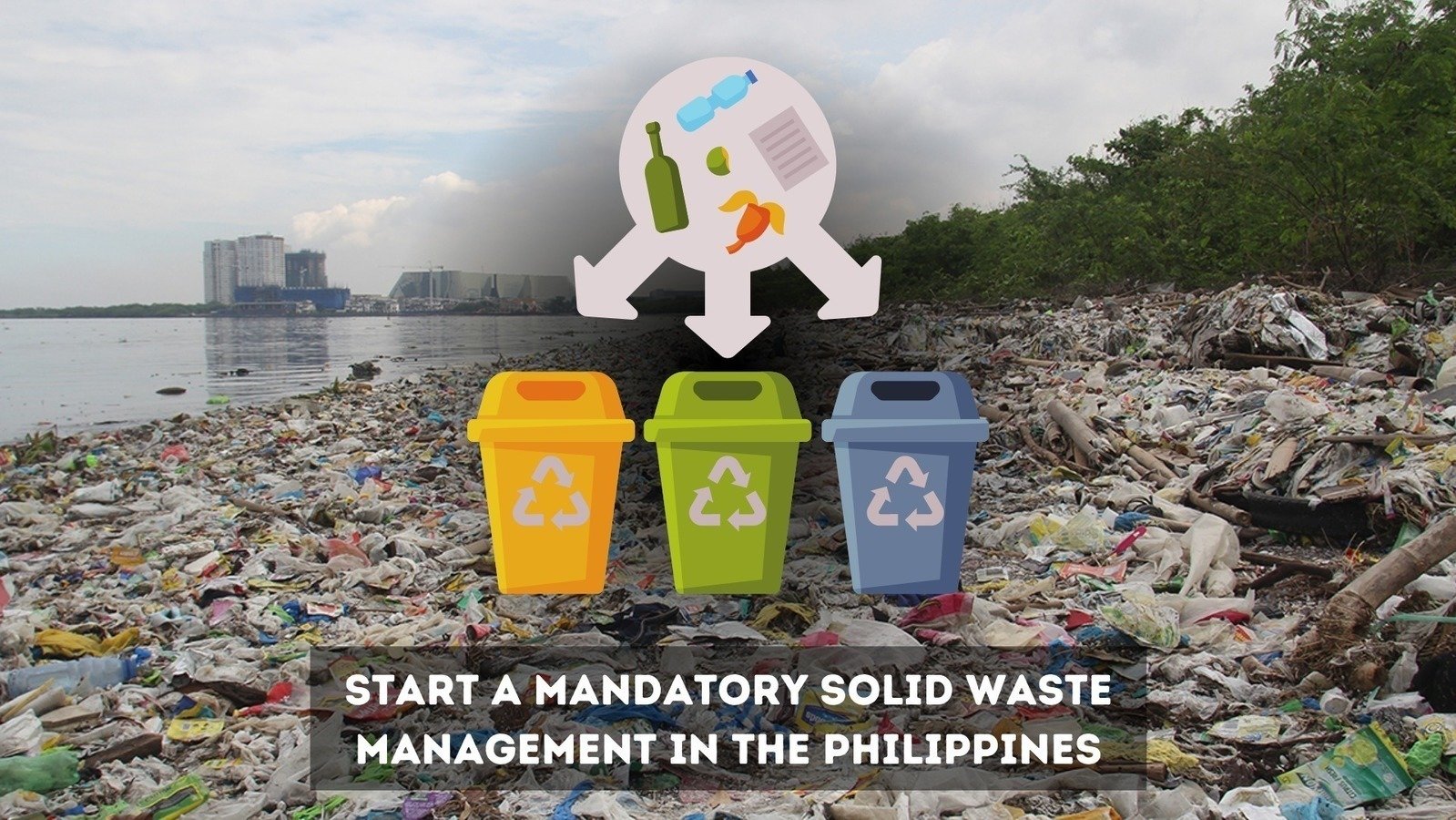
Objective: “To develop a national program that will manage the control, transfer, transport, processing, and disposal of solid wastes in the country.”
Waste Hierarchy
Simple everyday actions that help prevent waste, extend the life of materials, and improve responsible resource use.
Avoid unnecessary single-use items and products that immediately become waste.
Use only what is needed and minimize materials, packaging, paper, and disposable products.
Use containers, supplies, equipment, and other materials again whenever they remain serviceable.
Give used materials a new function instead of immediately discarding them.
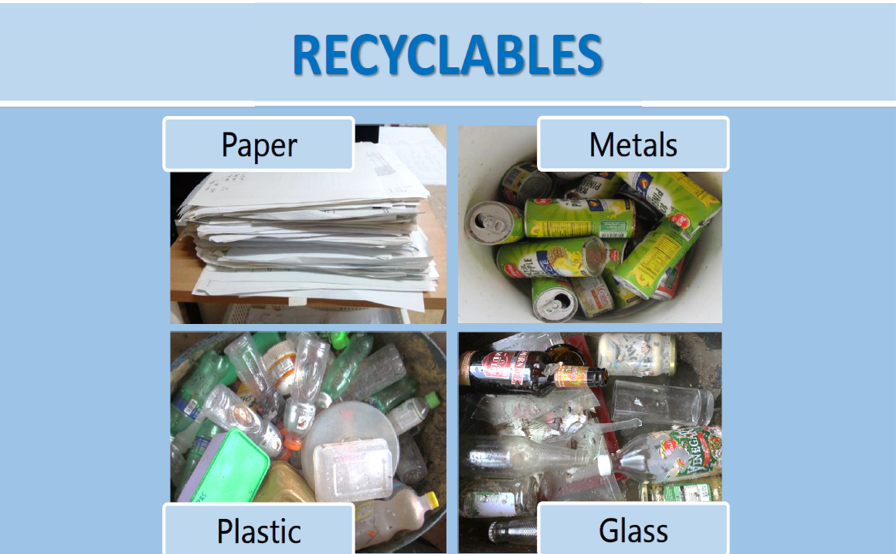
Segregate recyclable materials properly so they can be recovered and processed into useful materials.
Know the waste category, follow local policies and support a cleaner Provincial Government workplace through responsible daily practices.
Waste Collection Guide
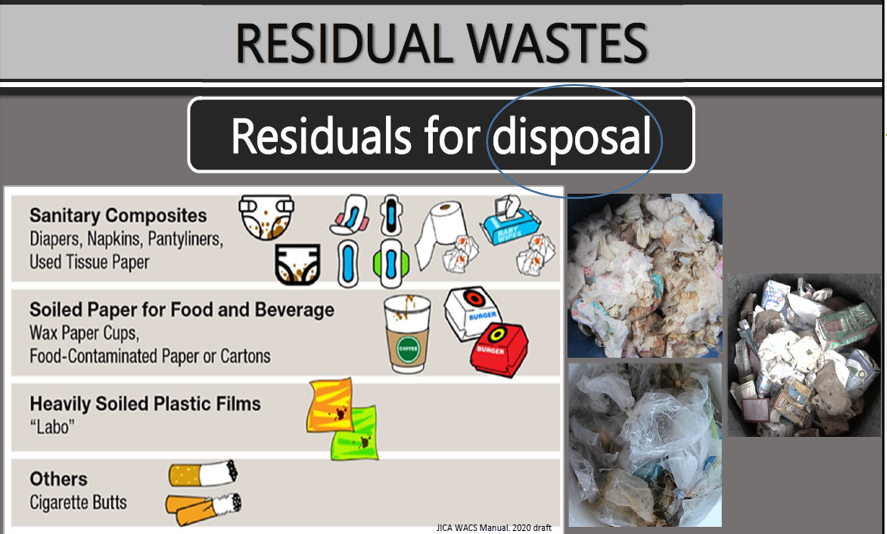
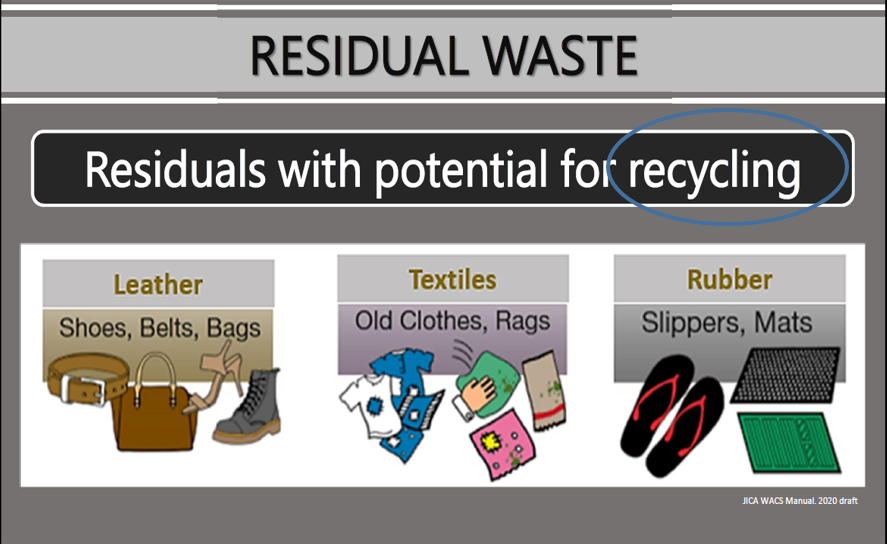
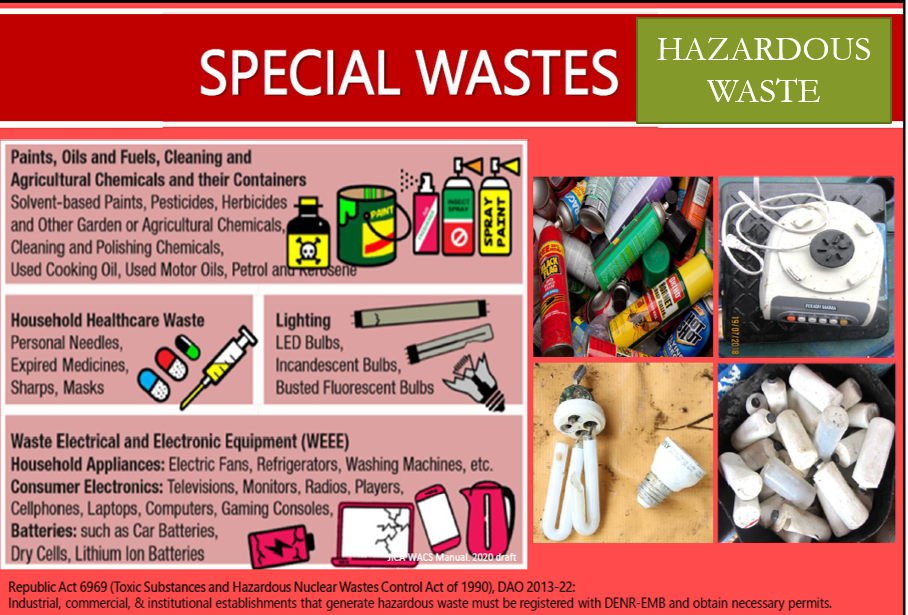
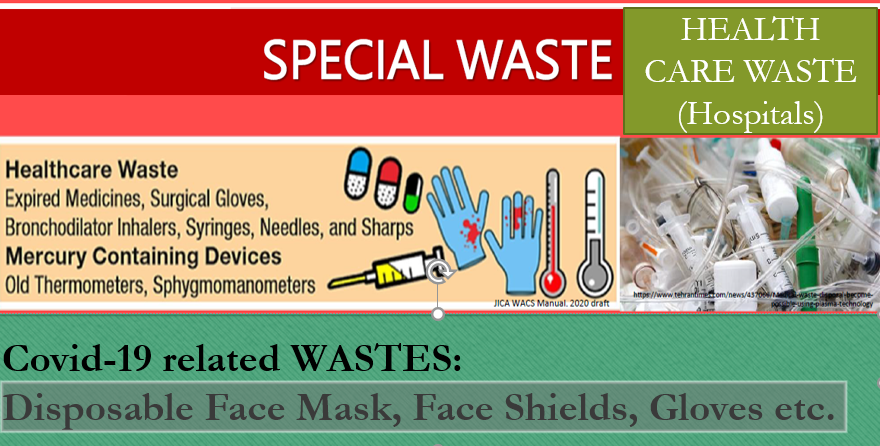
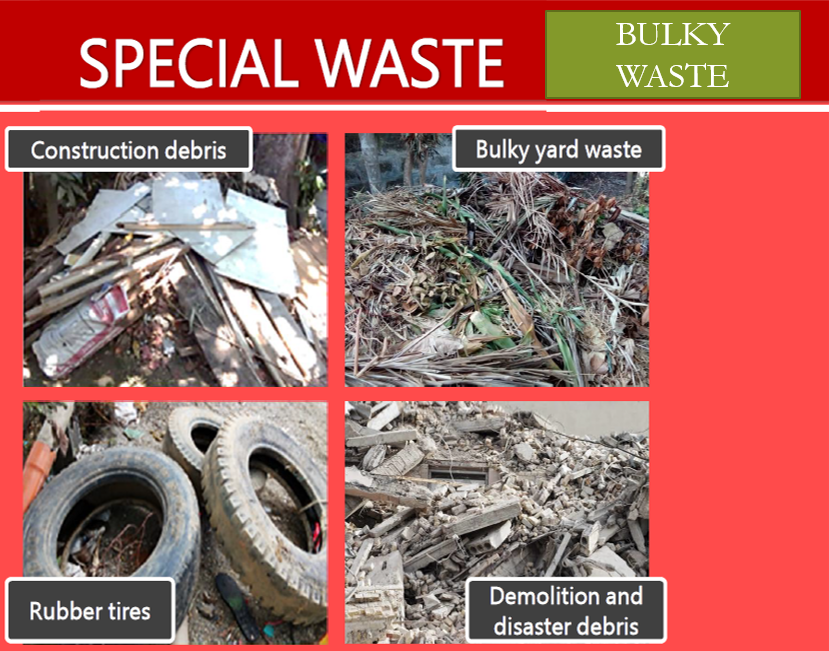
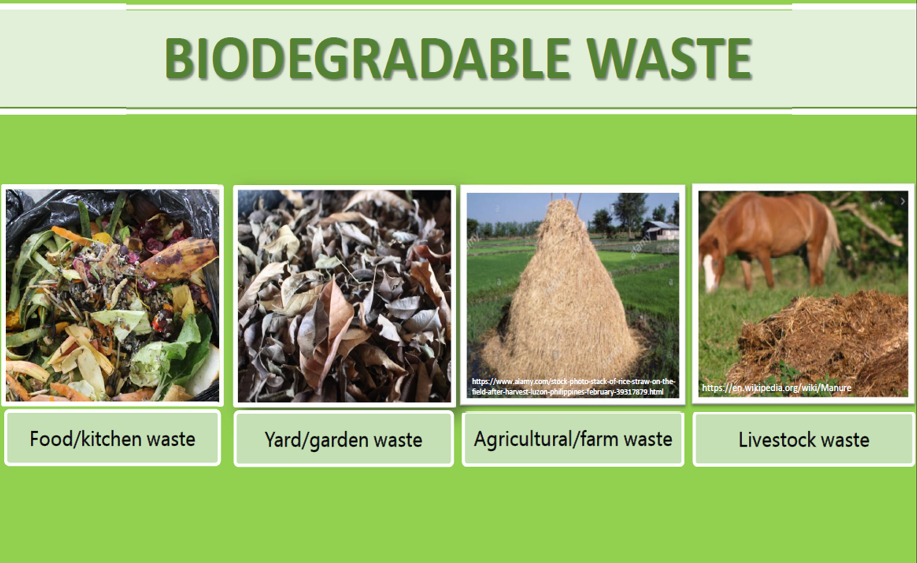
Browse the reference cards to identify common recyclable, residual, special, hazardous and biodegradable materials.
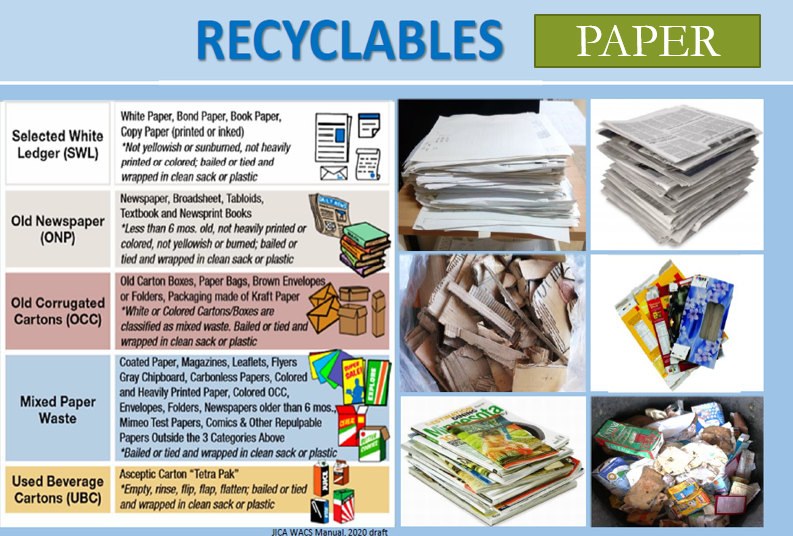
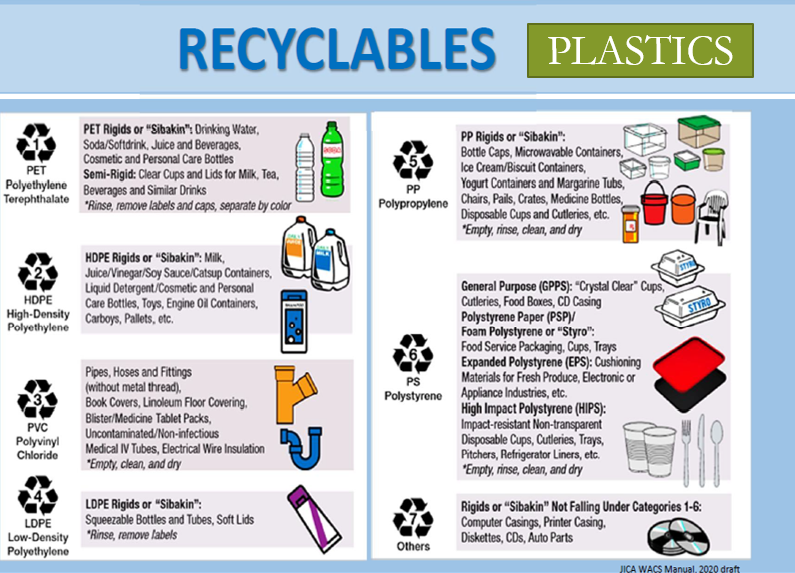
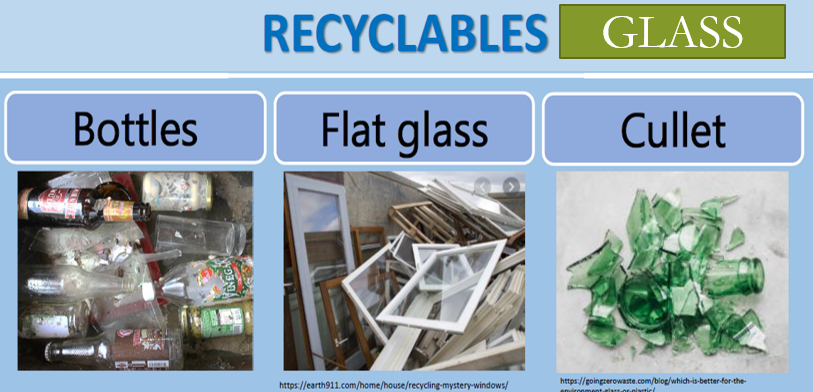
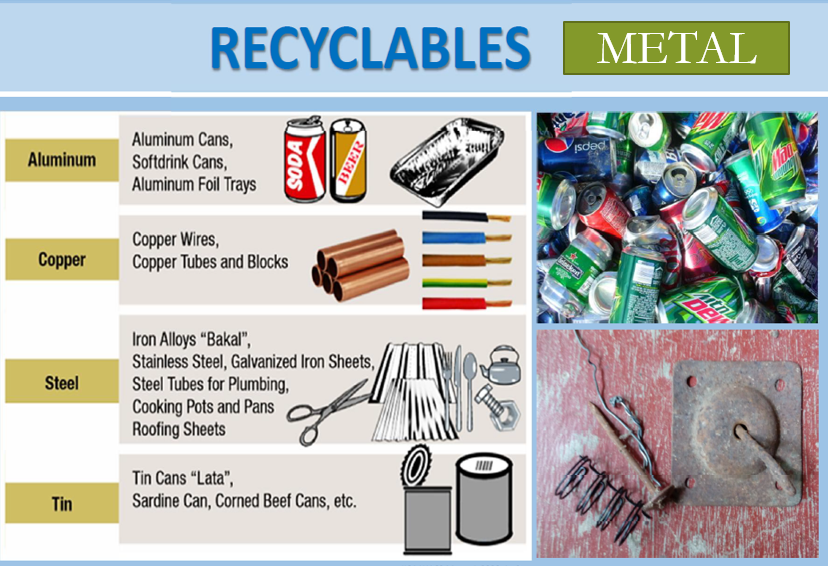
Laws & Local Policies
Key legal and local references supporting responsible solid waste management within the Provincial Government.
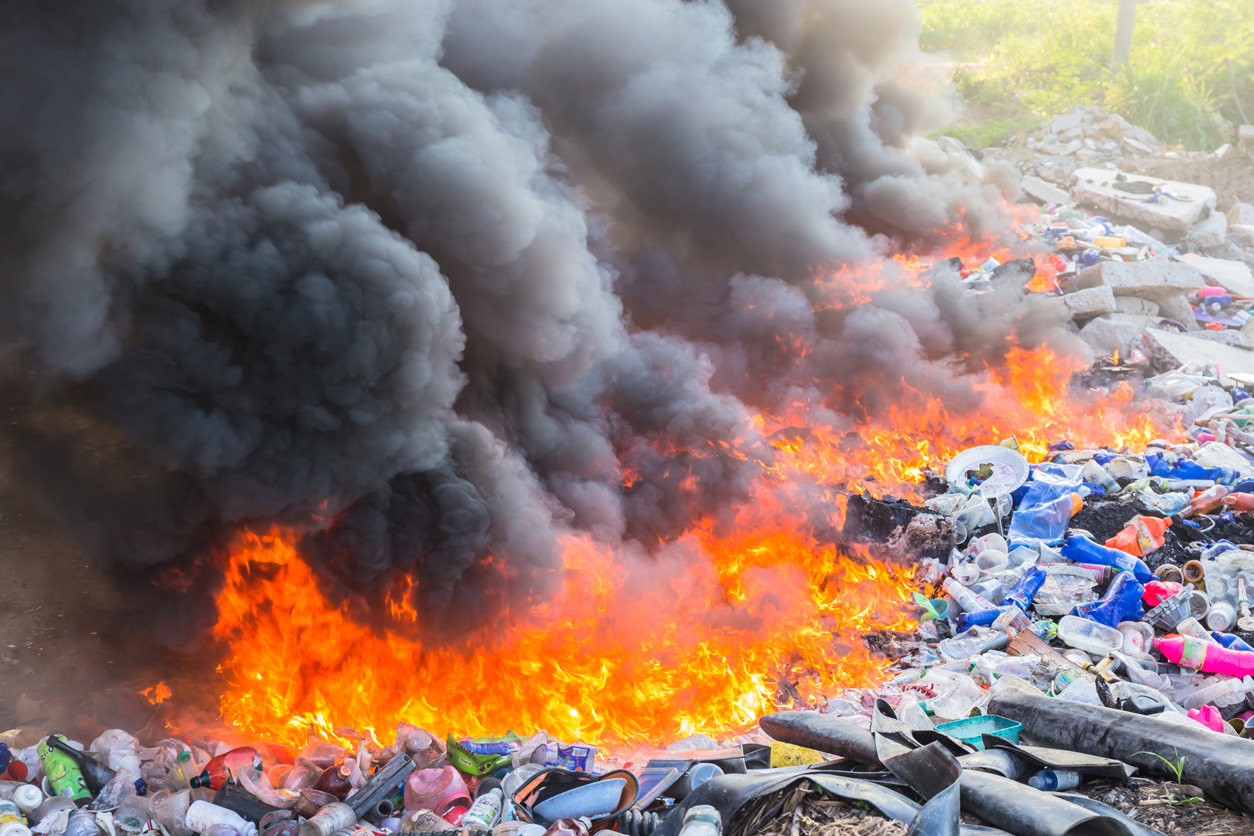
Burning of leaves and waste materials is prohibited. People found to violate this law will be penalized with imprisonment of 1 to 15 days and a corresponding fine of Php300 to Php1,000.
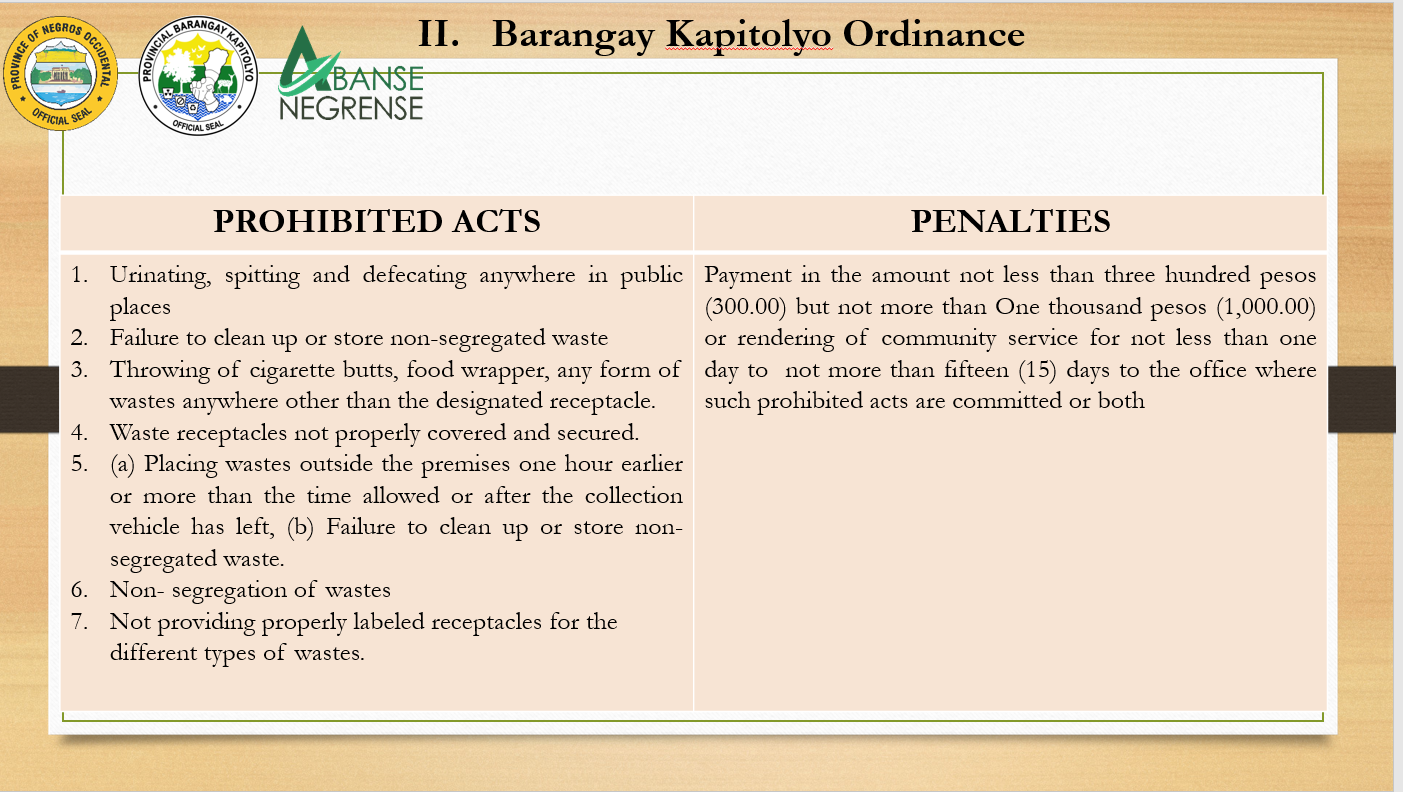
“AN ORDINANCE ON BARANGAY KAPITOLYO SOLID WASTE MANAGEMENT, PROVIDING FUNDS AND PRESCRIBING PENALTIES THEREOF”
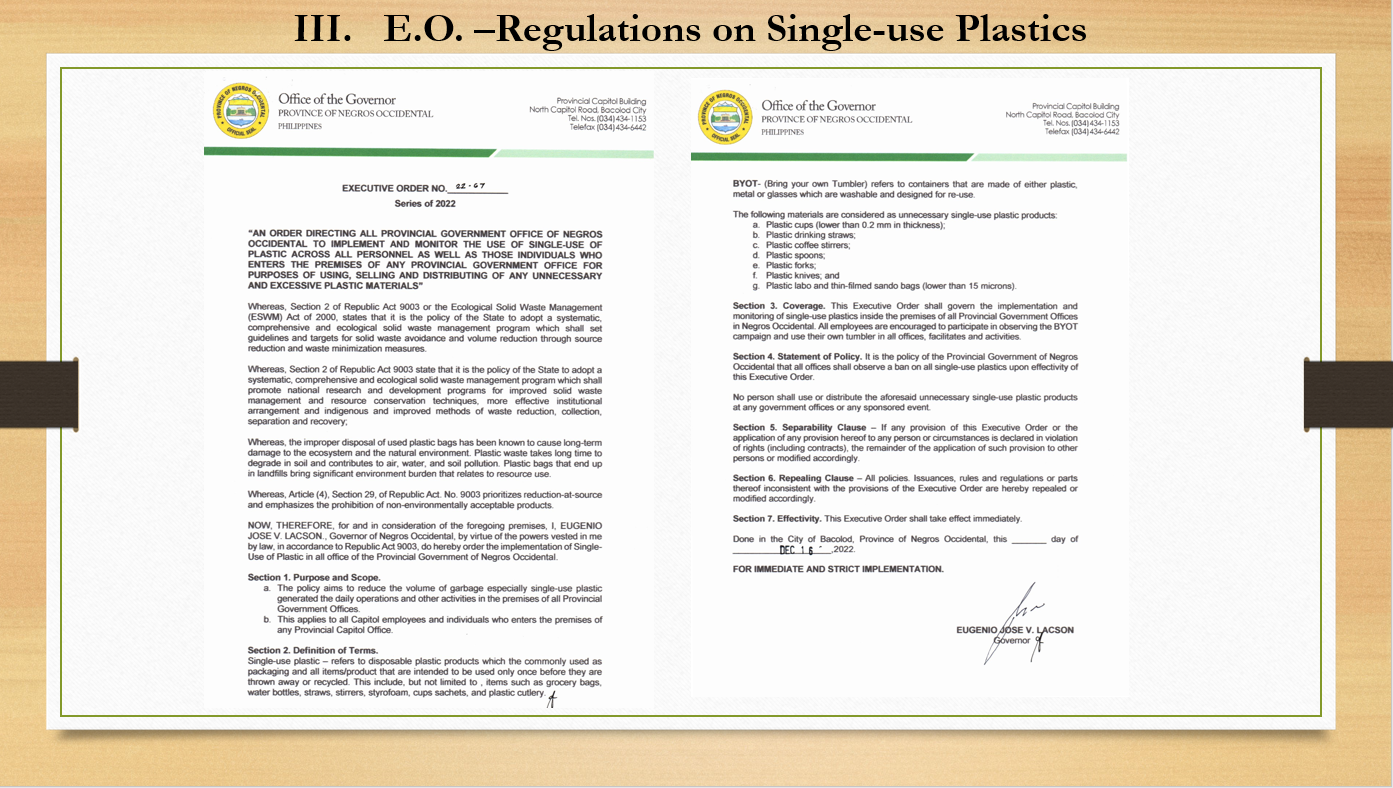
Signed by the Governor on December 16, 2022 and distributed to all offices on January 6, 2023.
“AN ORDER DIRECTING ALL PROVINCIAL GOVERNMENT OFFICE OF NEGROS OCCIDENTAL TO IMPLEMENT AND MONITOR THE USE OF SINGLE-USE OF PLASTIC ACROSS ALL PERSONNEL AS WELL AS THOSE INDIVIDUALS WHO ENTERS THE PREMISES OF ANY PROVINCIAL GOVERNMENT OFFICE FOR PURPOSES OF USING, SELLING AND DISTRIBUTING OF ANY UNNECESSARY AND EXCESSIVE PLASTIC MATERIALS”
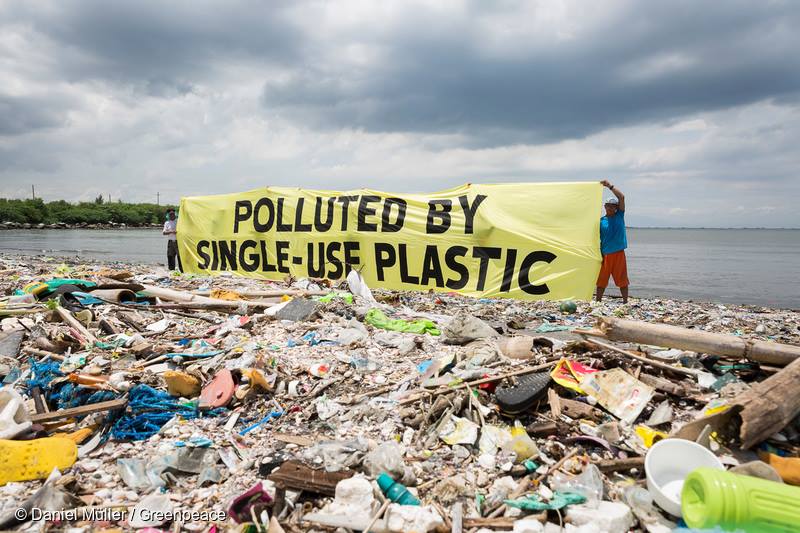
Purpose: to reduce the volume of garbage especially single-use plastic generated the daily operations and other activities in the premises of all Provincial Government Offices.
Scope: applies to all Capitol employees and individuals who enters the premises of any Provincial Capitol Office.
Single-use plastic refers to disposable plastic products which the commonly used as packaging and all items/product that are intended to be used only once before they are thrown away or recycled.
The following materials are considered as unnecessary single-use plastic products:
Coverage: EO shall govern the implementation and monitoring of single-use plastics inside the premises of all Provincial Government Offices in Negros Occidental. ALL EMPLOYEES are encouraged to participate in observing the BYOT campaign (Bring your own Tumbler) in all offices, facilities and activities.
Policy: 1. All offices shall observe a “ban” on “single-use” plastics upon effectivity of the EO. 2. NO PERSON shall use or distribute “single-use” plastic products at any government offices or any sponsored event.
Media & Activities
Stay updated with our latest video content and environmental activities.
Latest ICTD Solid Waste Management 2026 activity video.
Latest ICTD Solid Waste Management 2026 activity video.
Latest ICTD Solid Waste Management 2026 activity video.
Latest ICTD Solid Waste Management 2026 activity video.
Latest ICTD Solid Waste Management 2026 activity video.
Latest ICTD Solid Waste Management 2026 activity video.
Latest ICTD Solid Waste Management 2026 activity video.
Photo Documentation
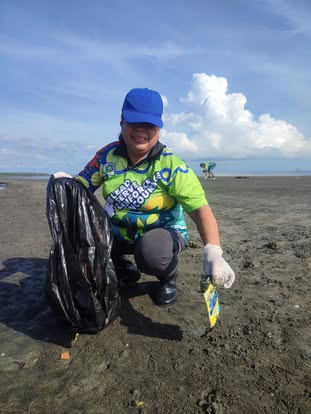
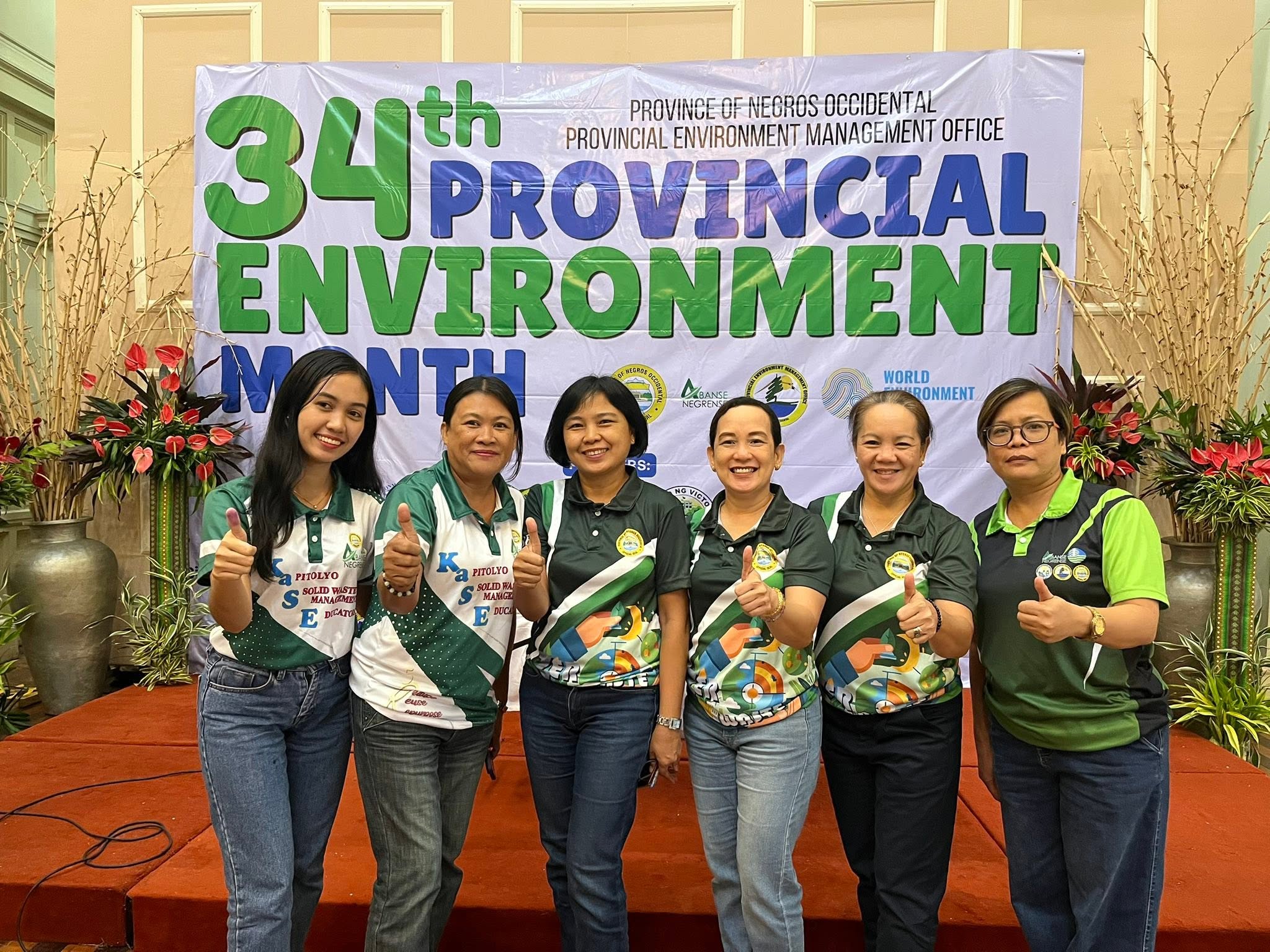
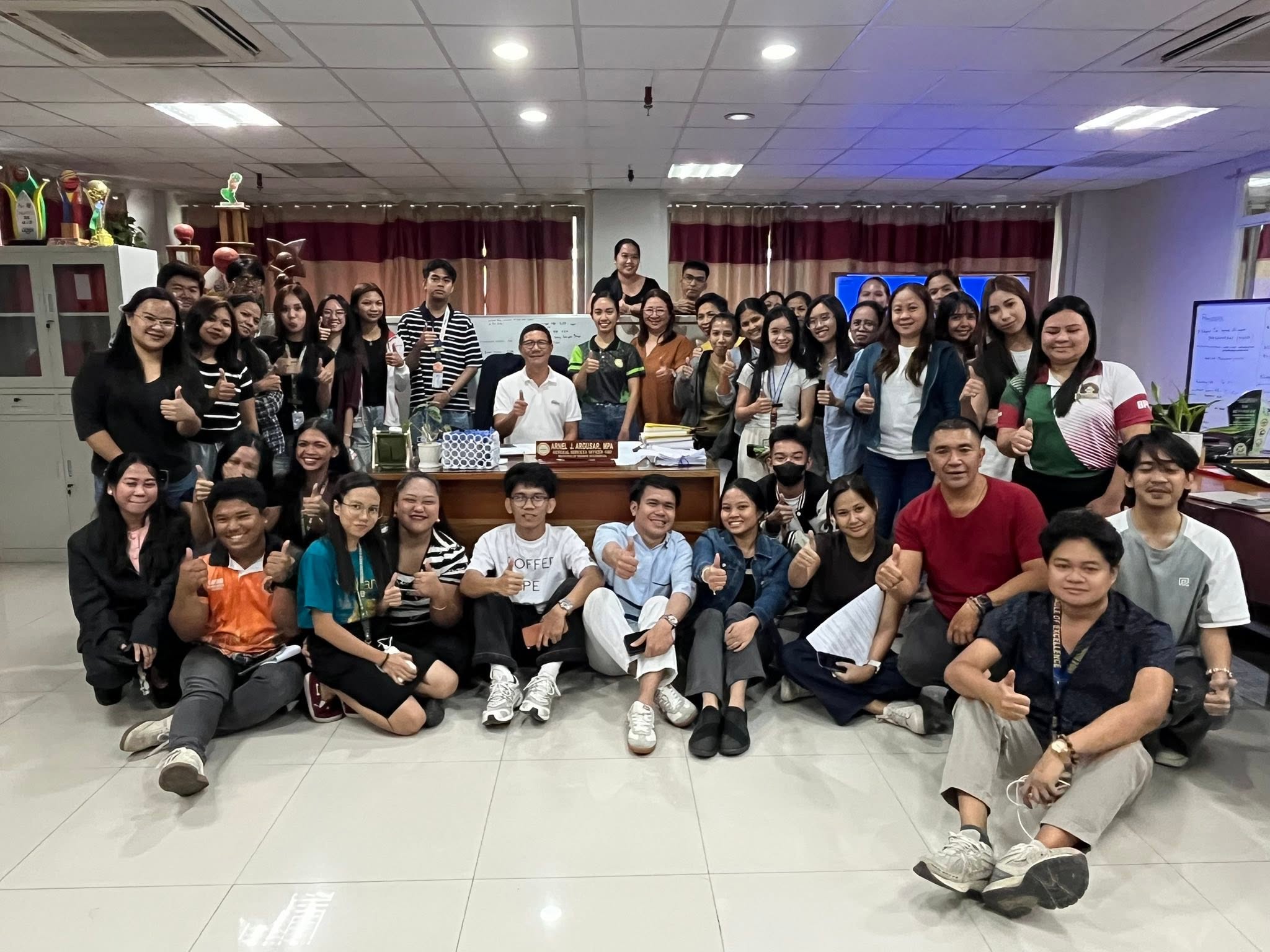
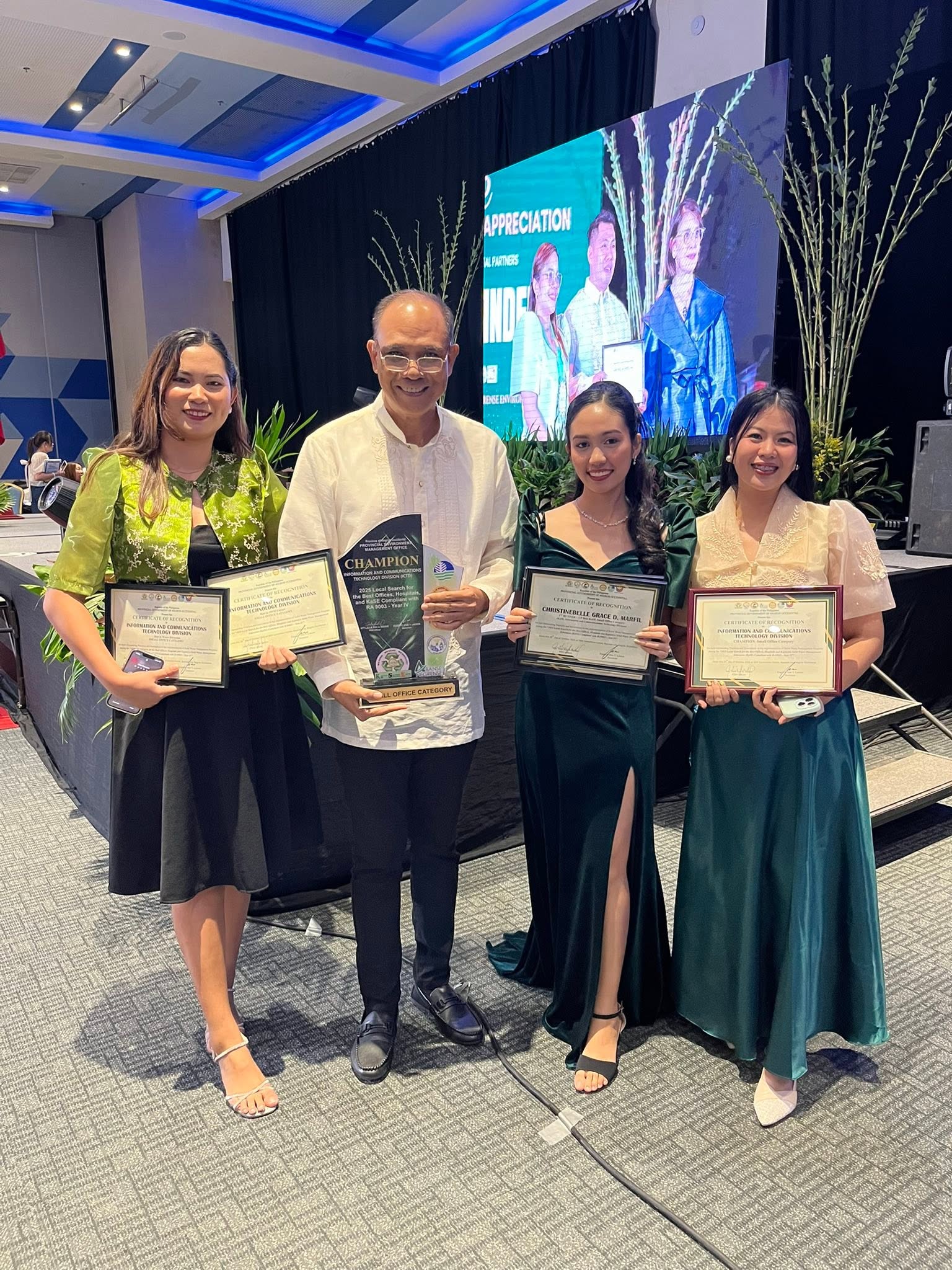
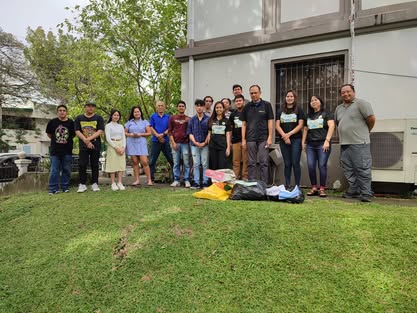
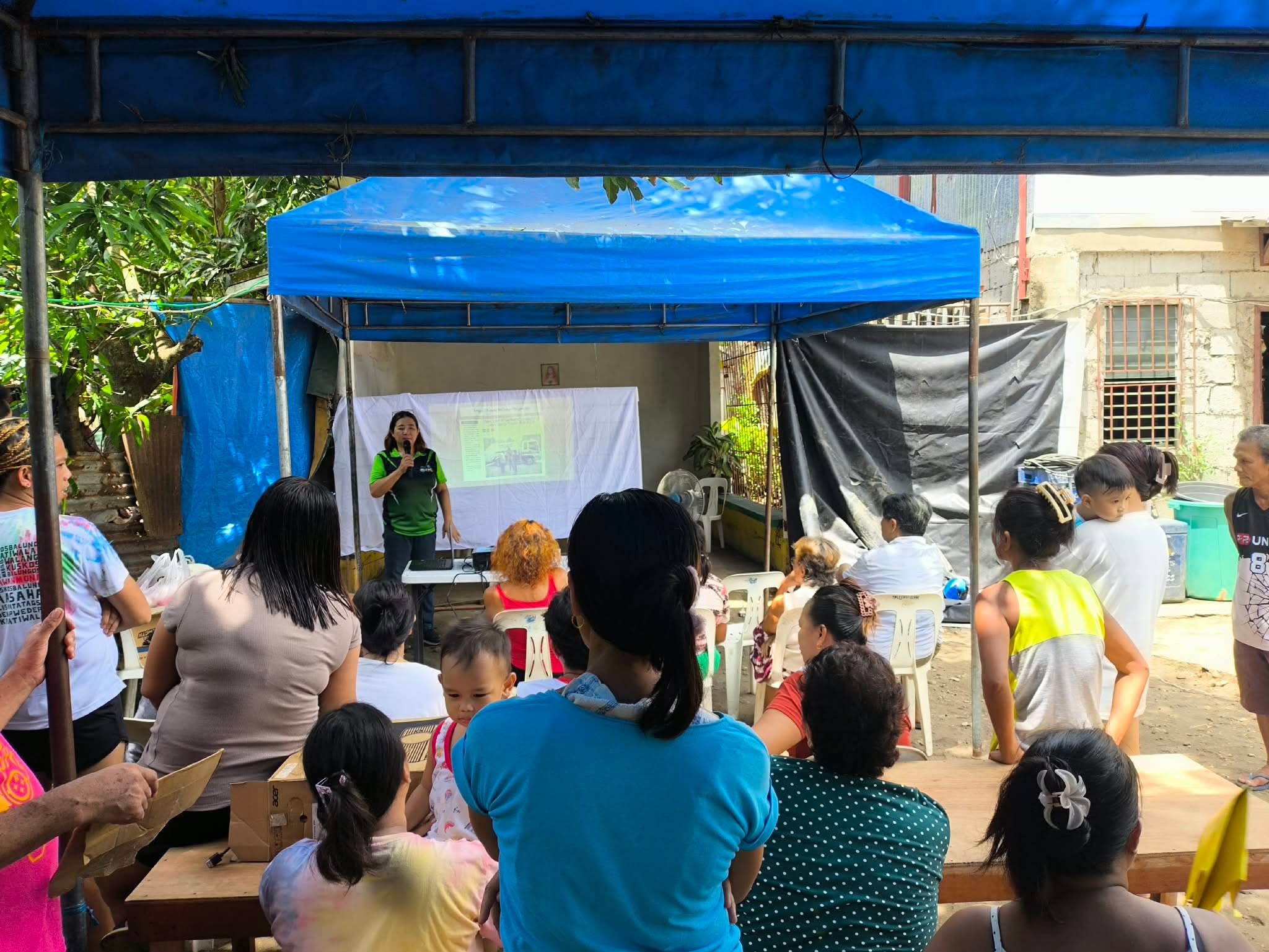
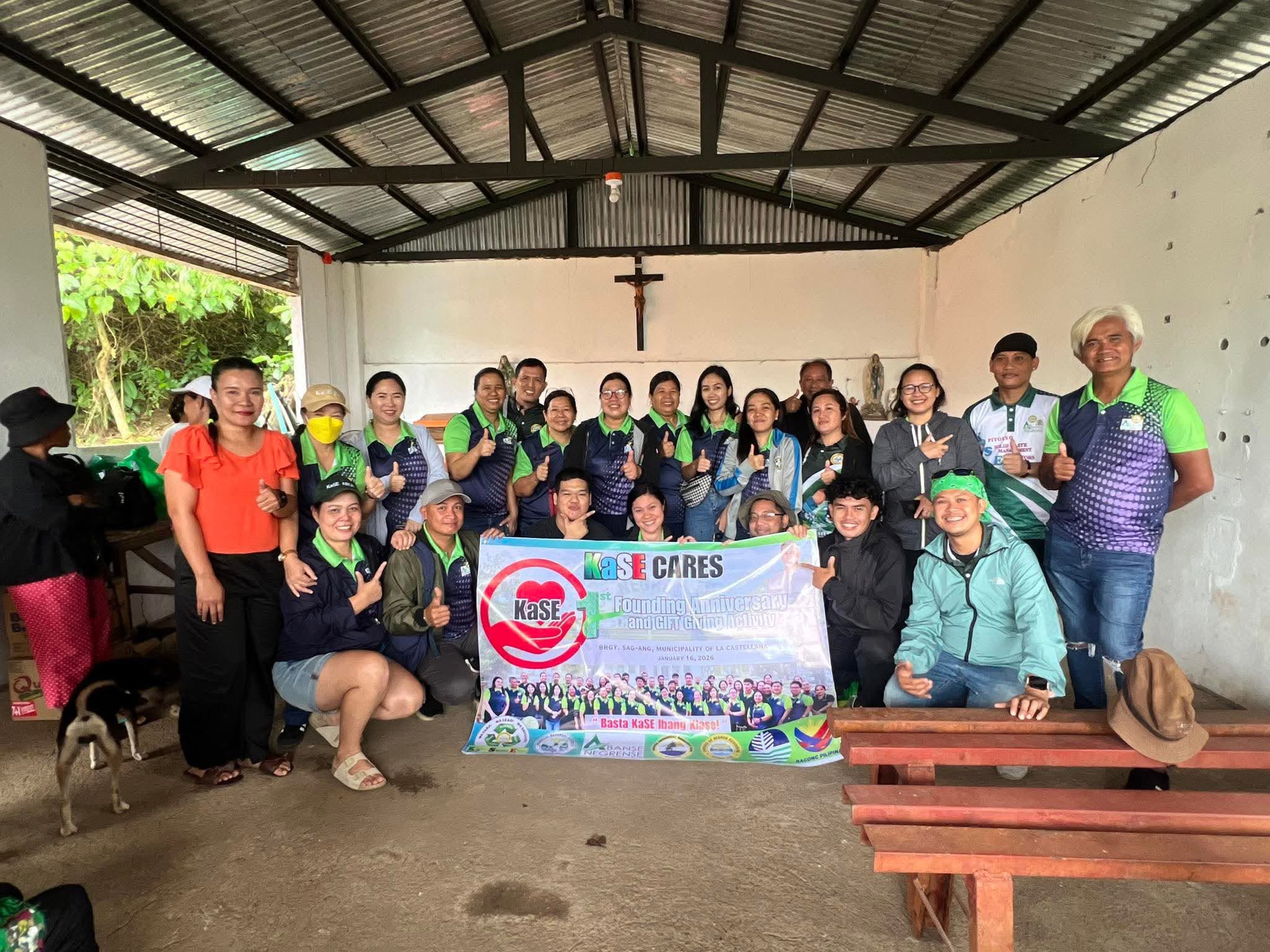
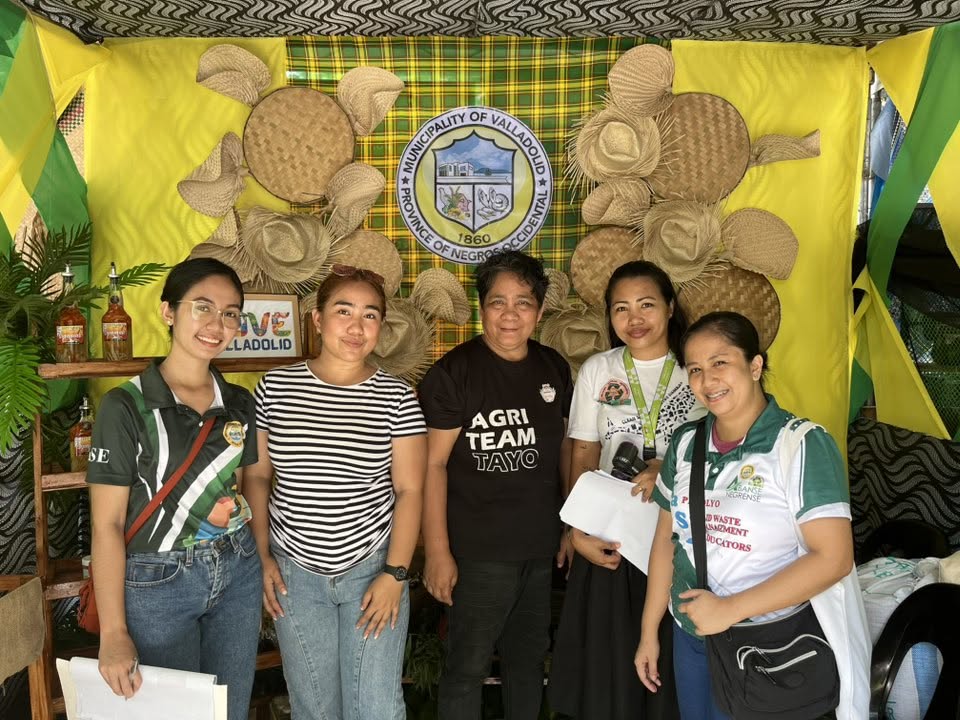
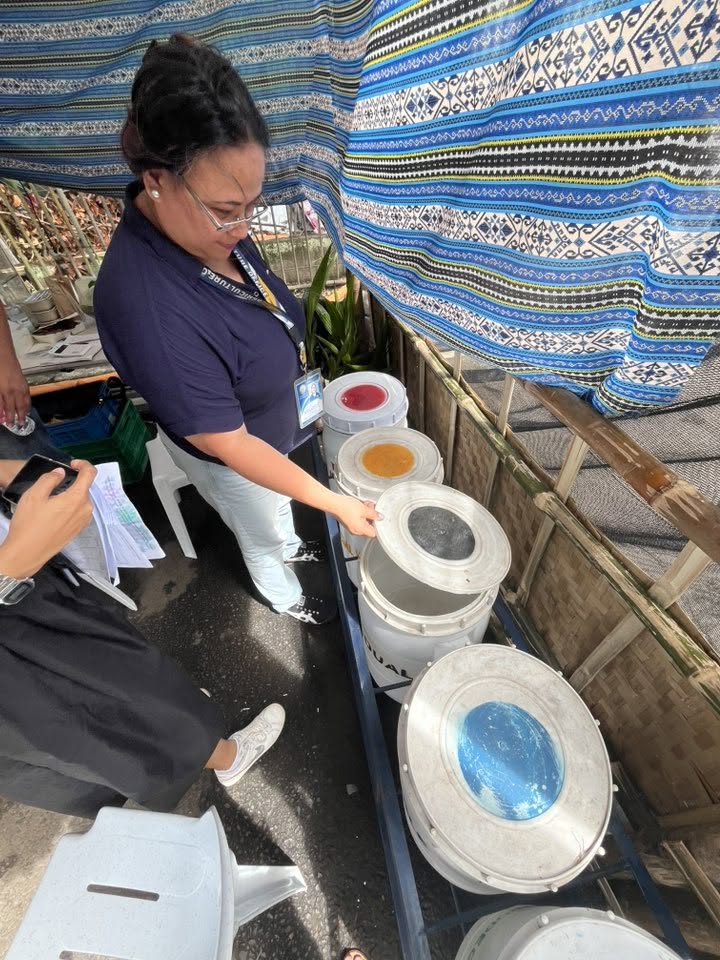
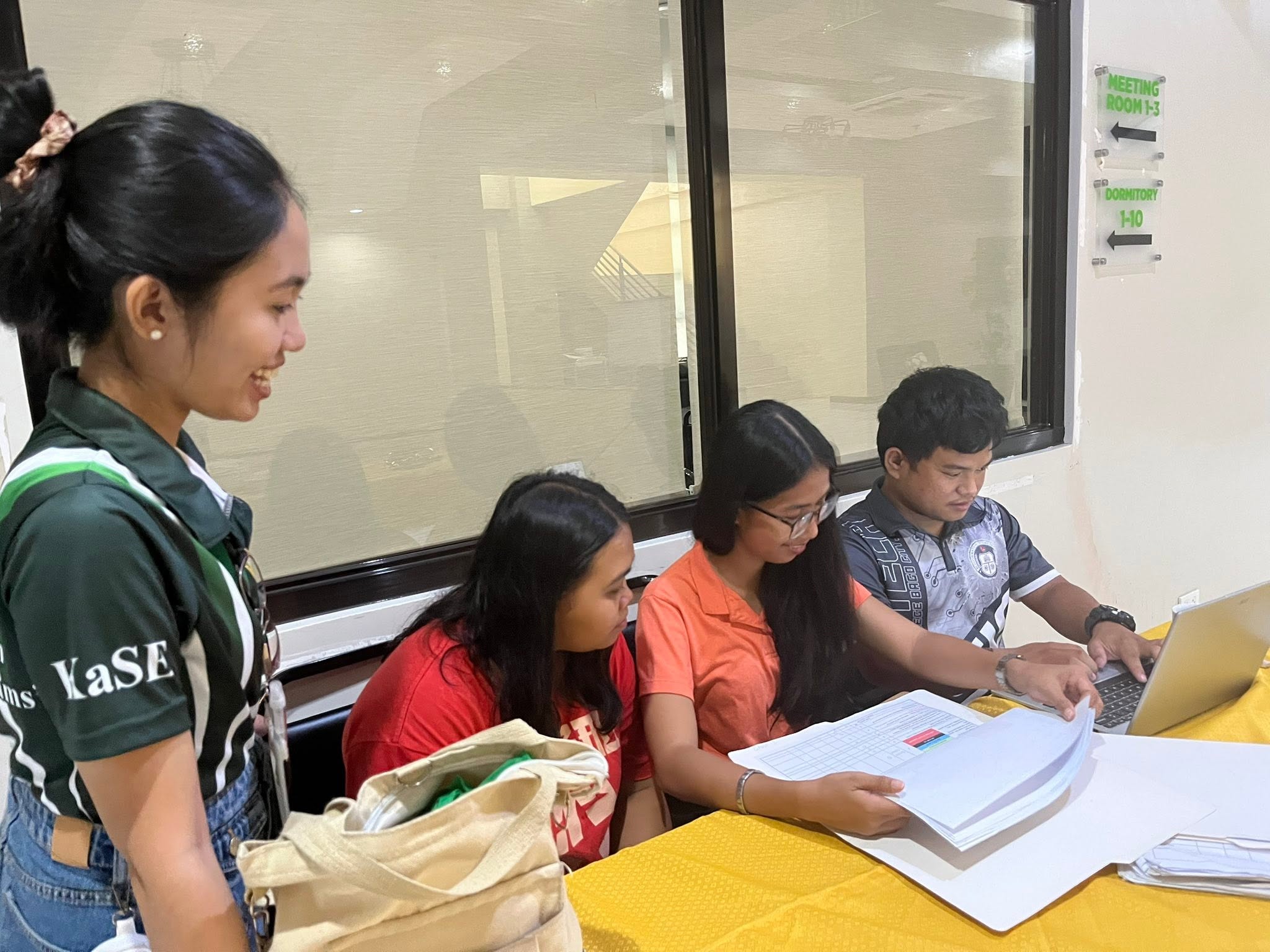
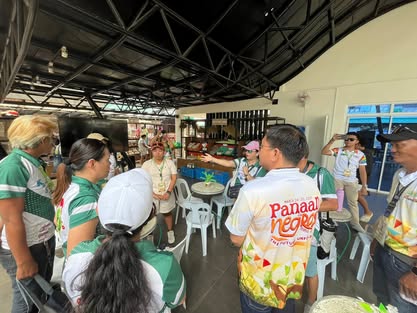
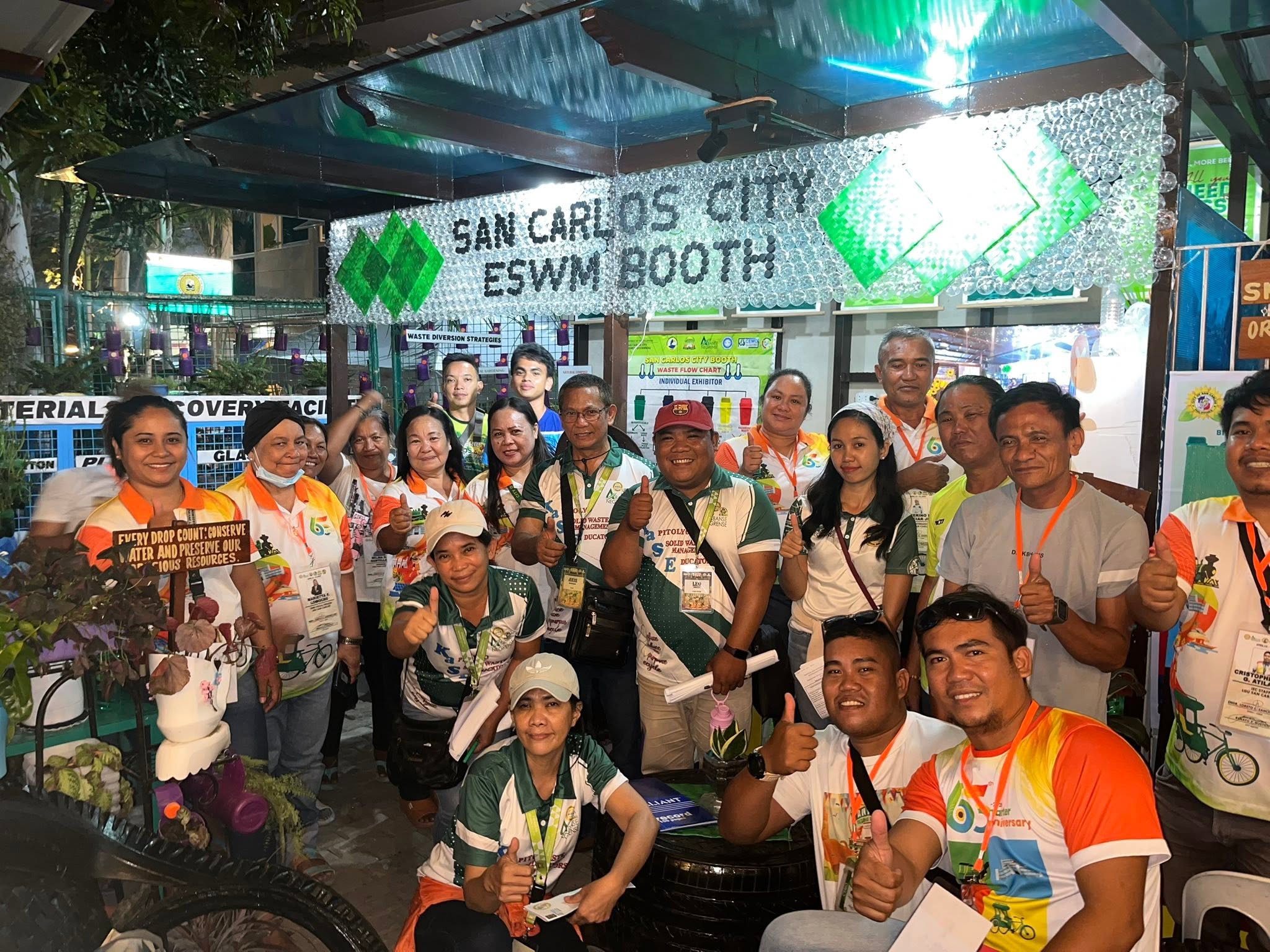
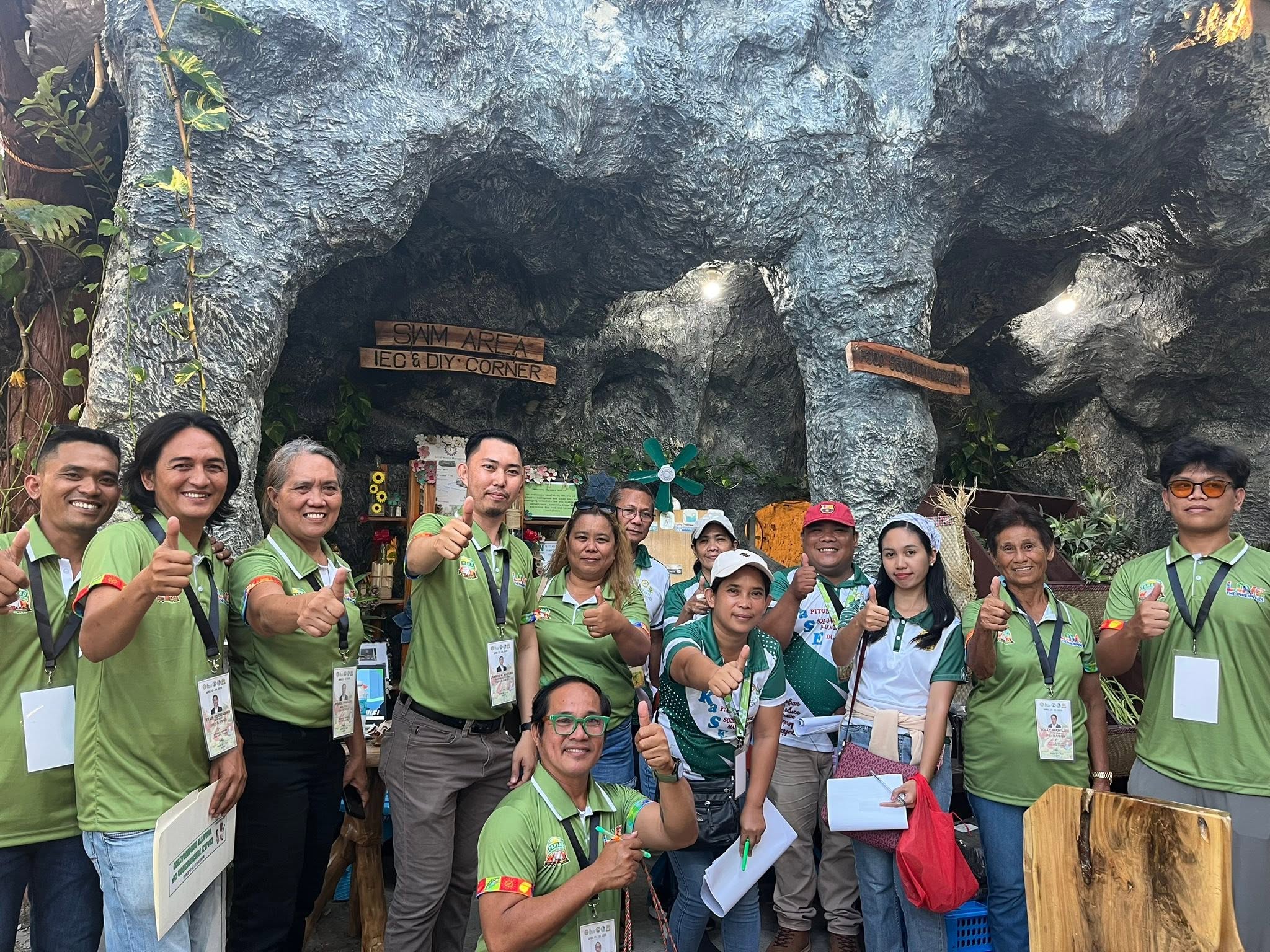
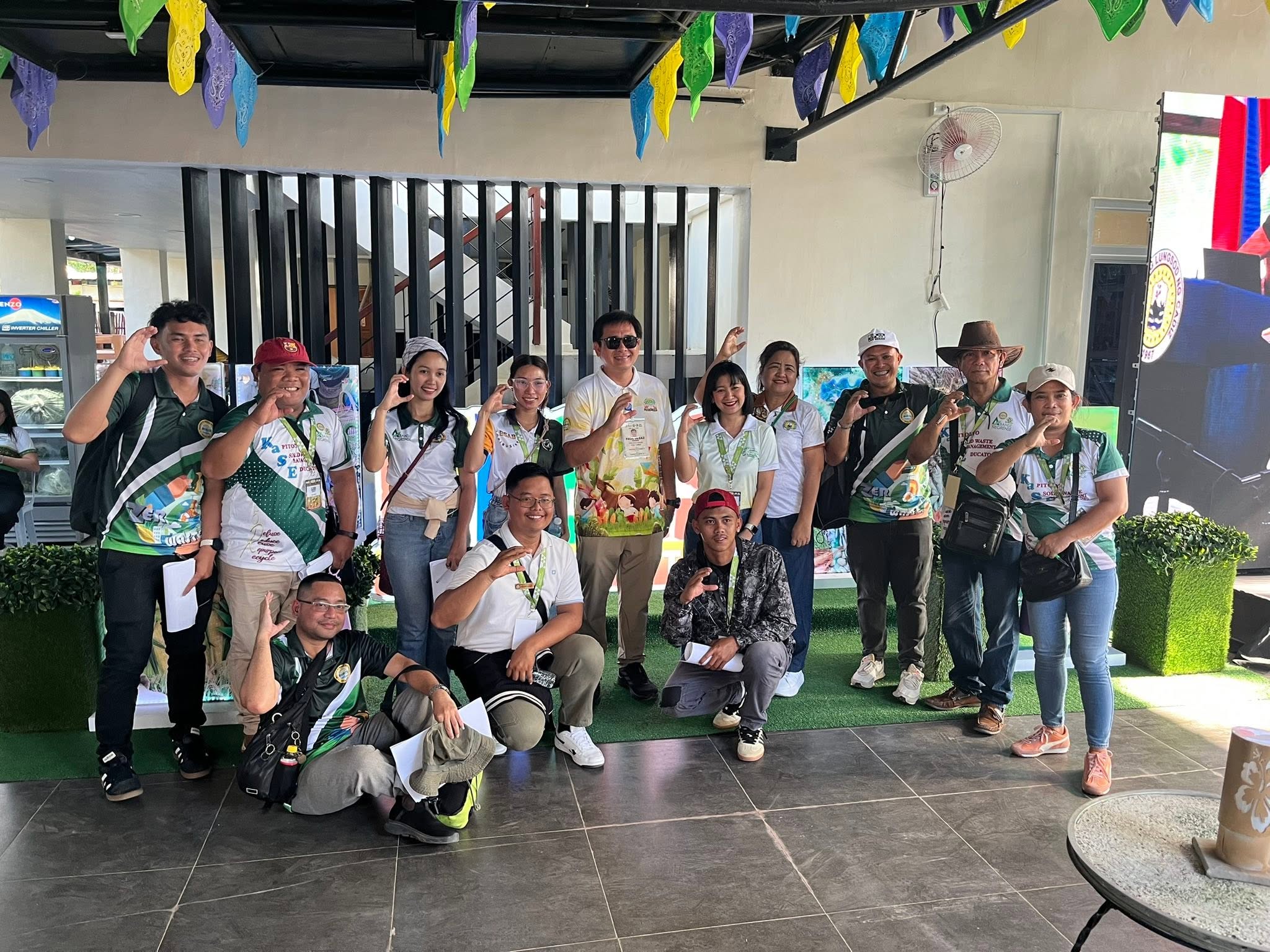
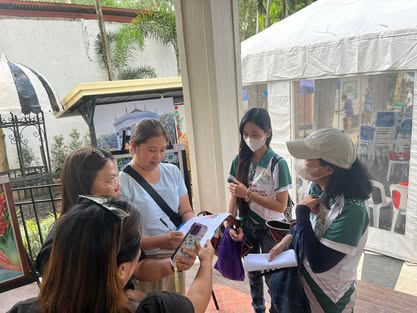
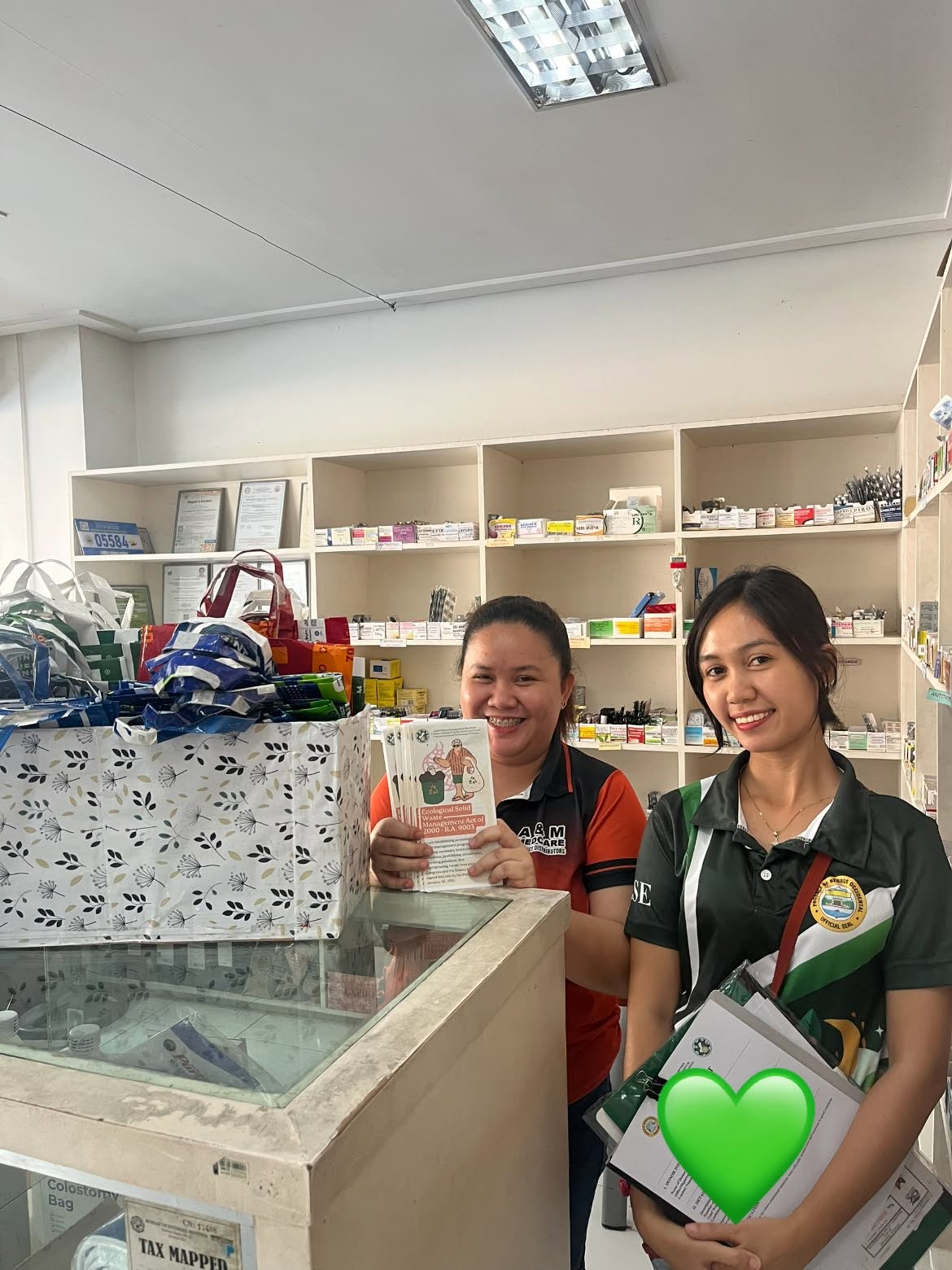
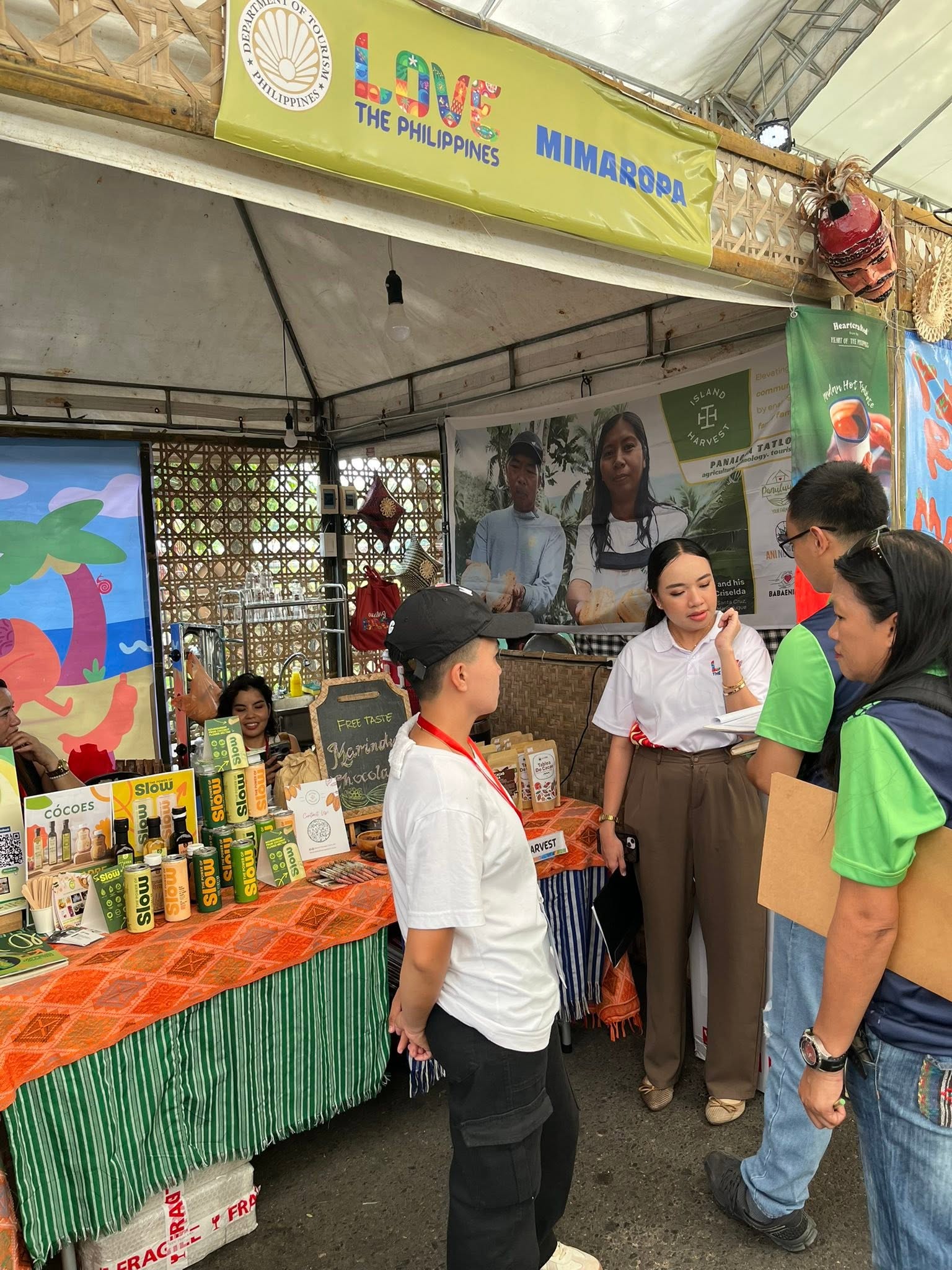
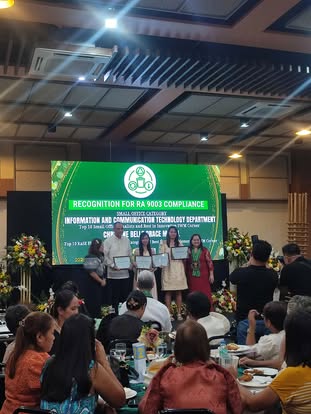
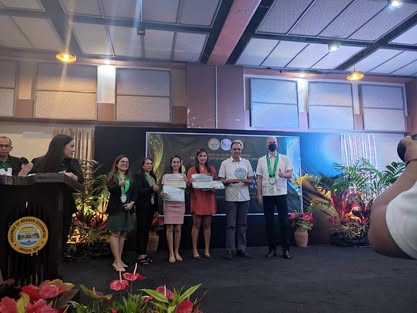
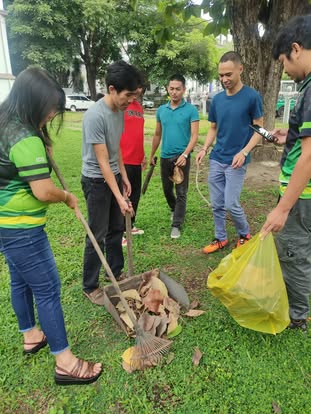
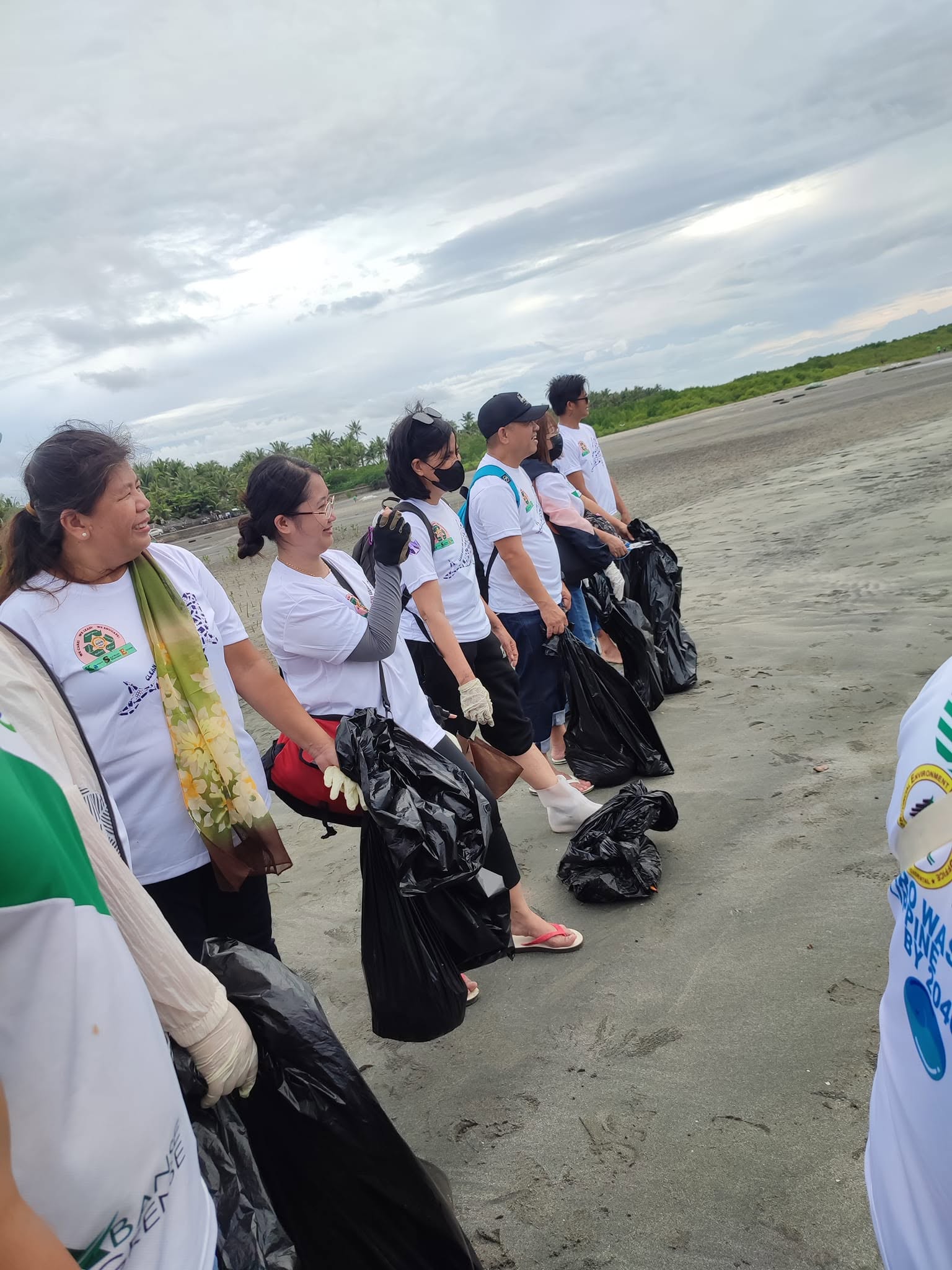
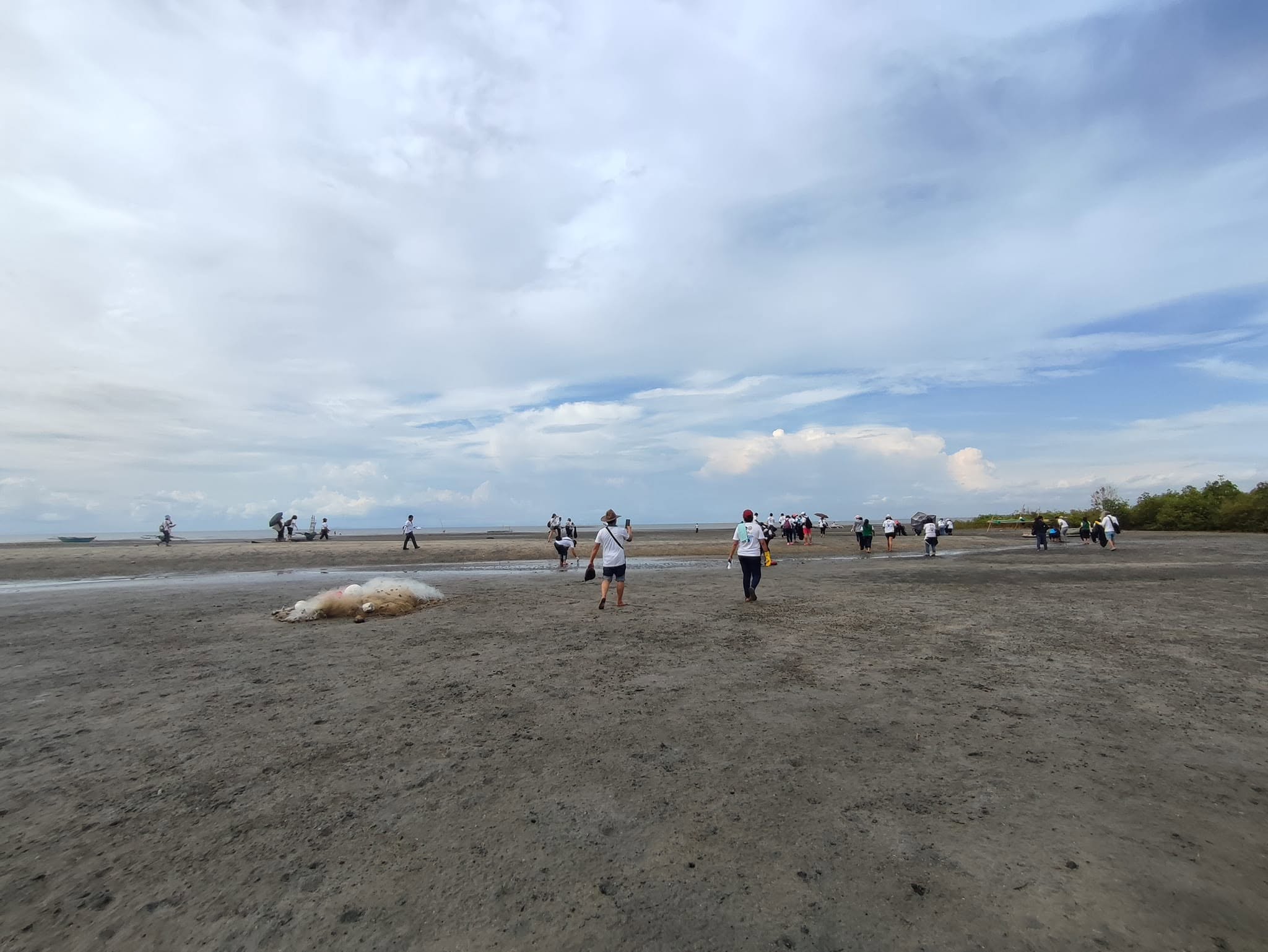
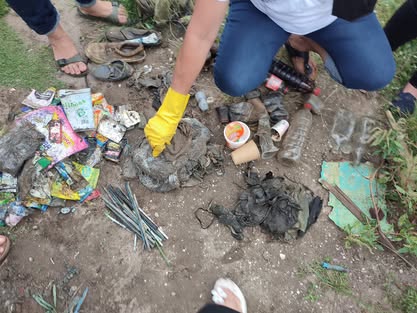
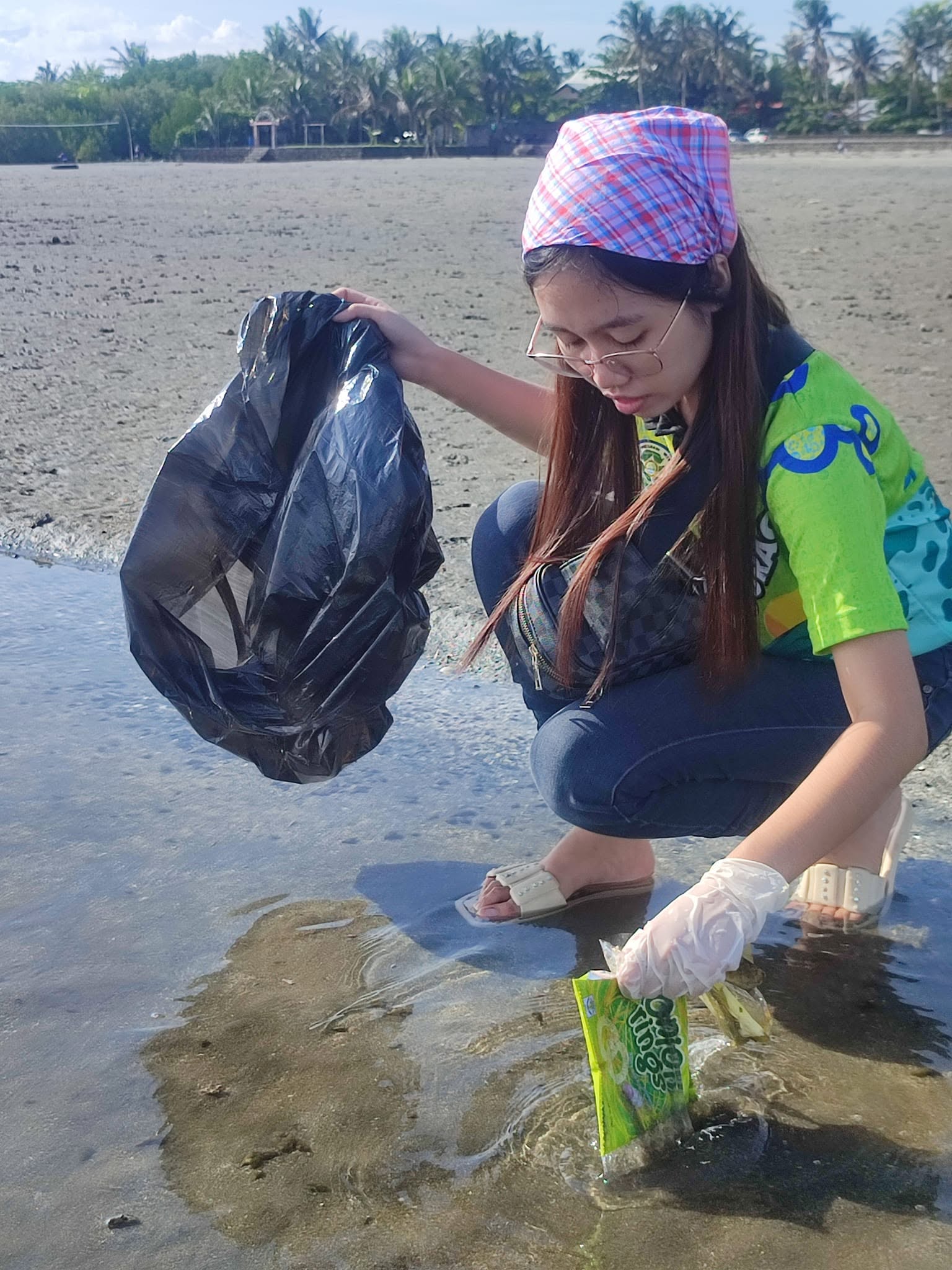
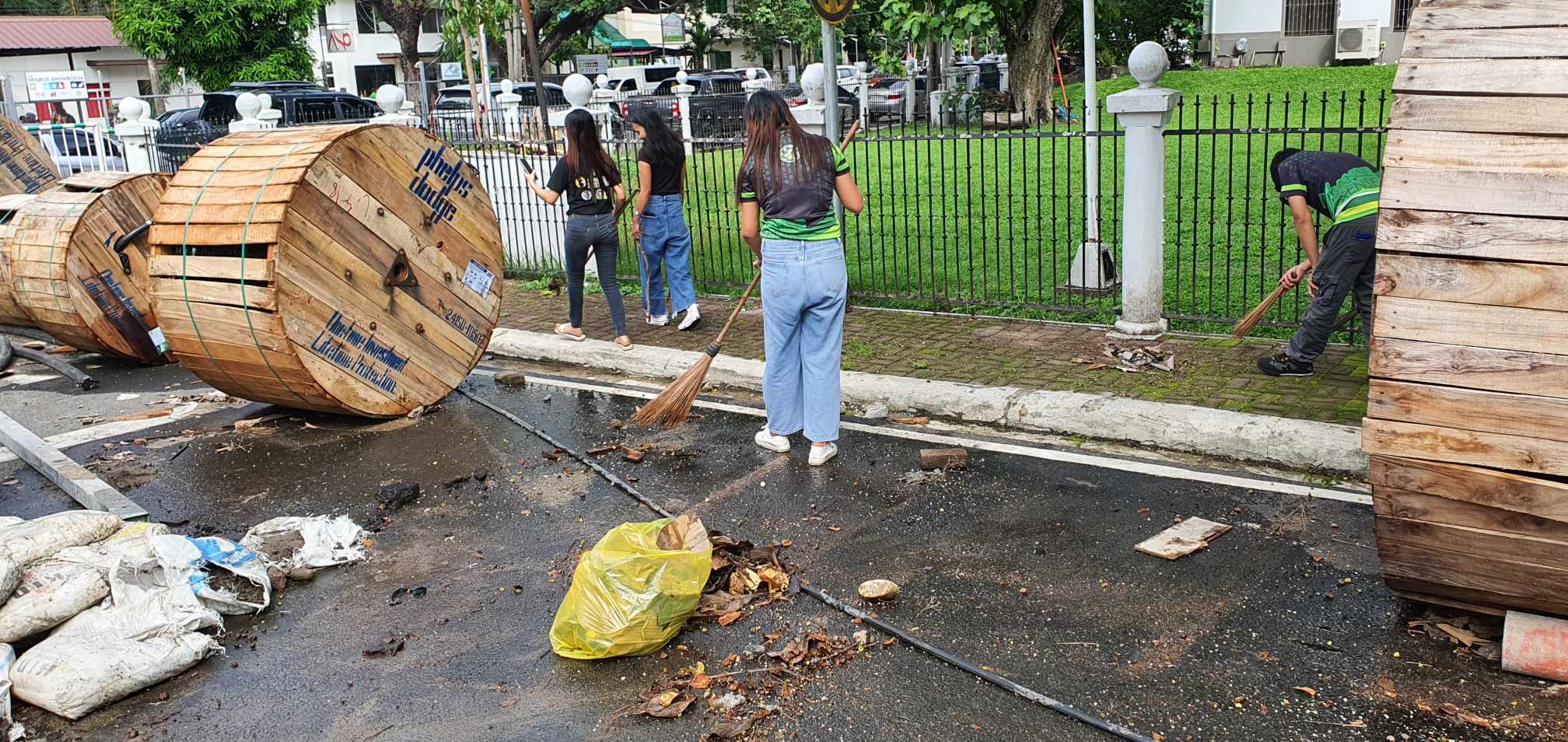
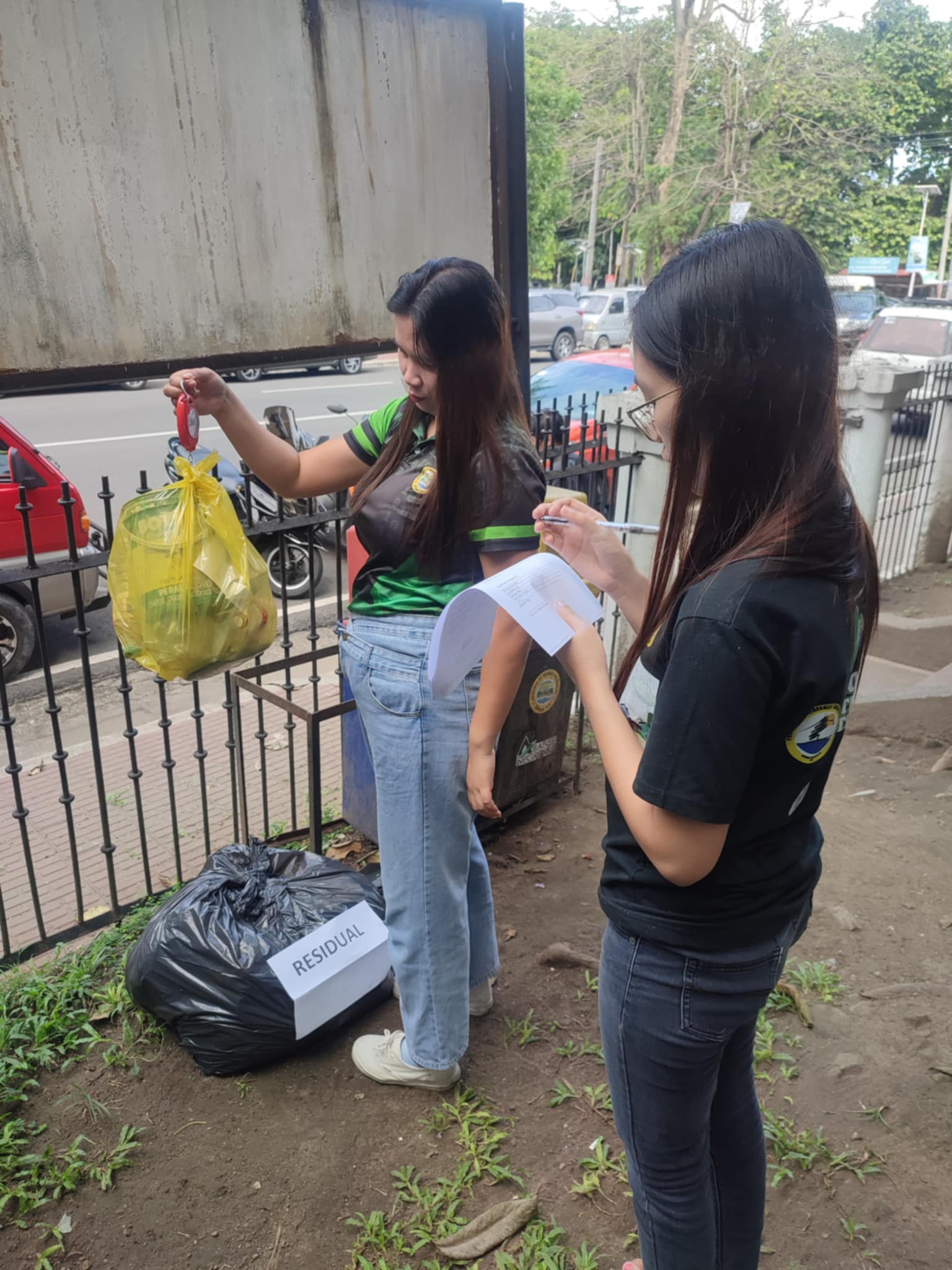
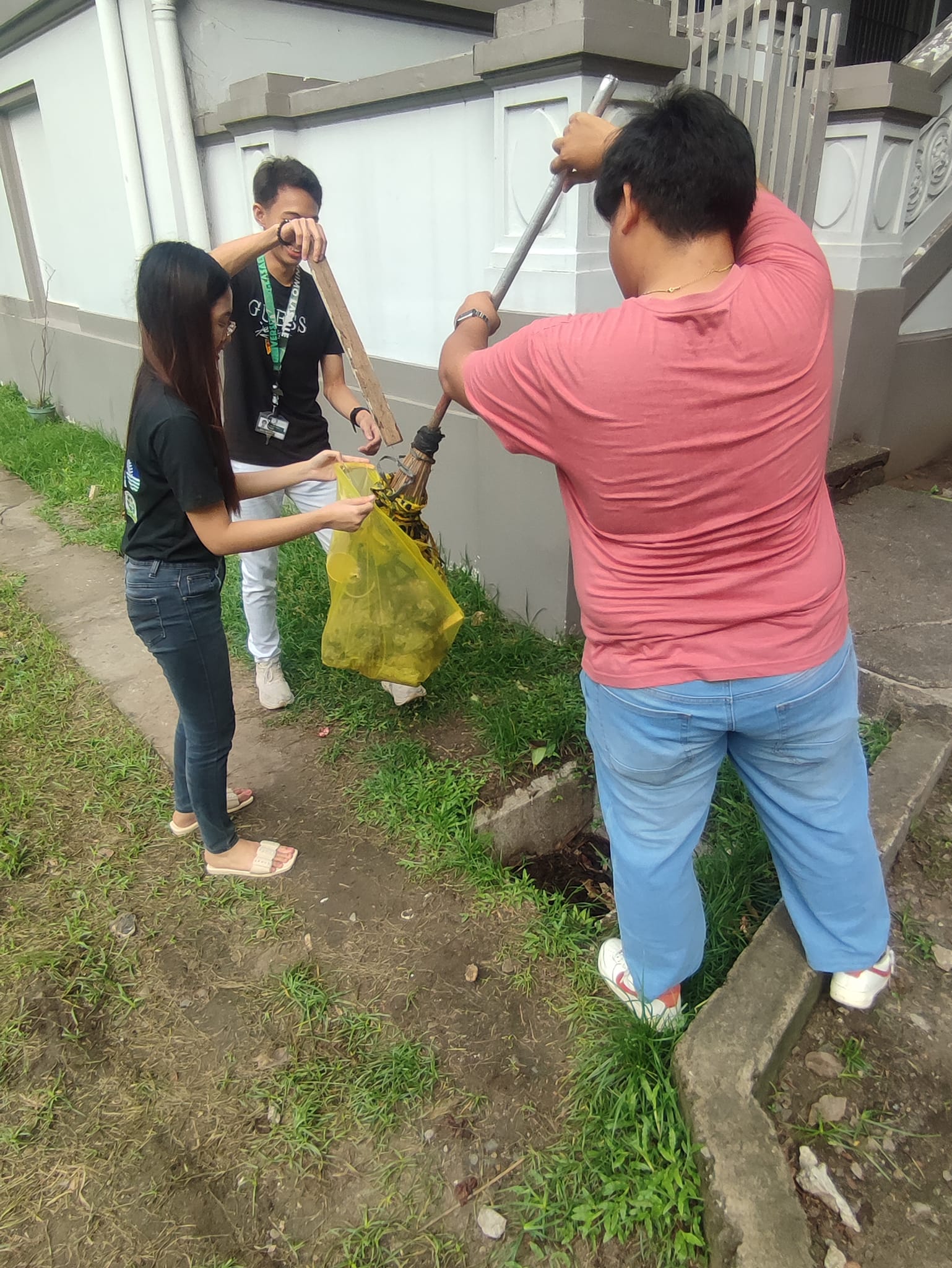
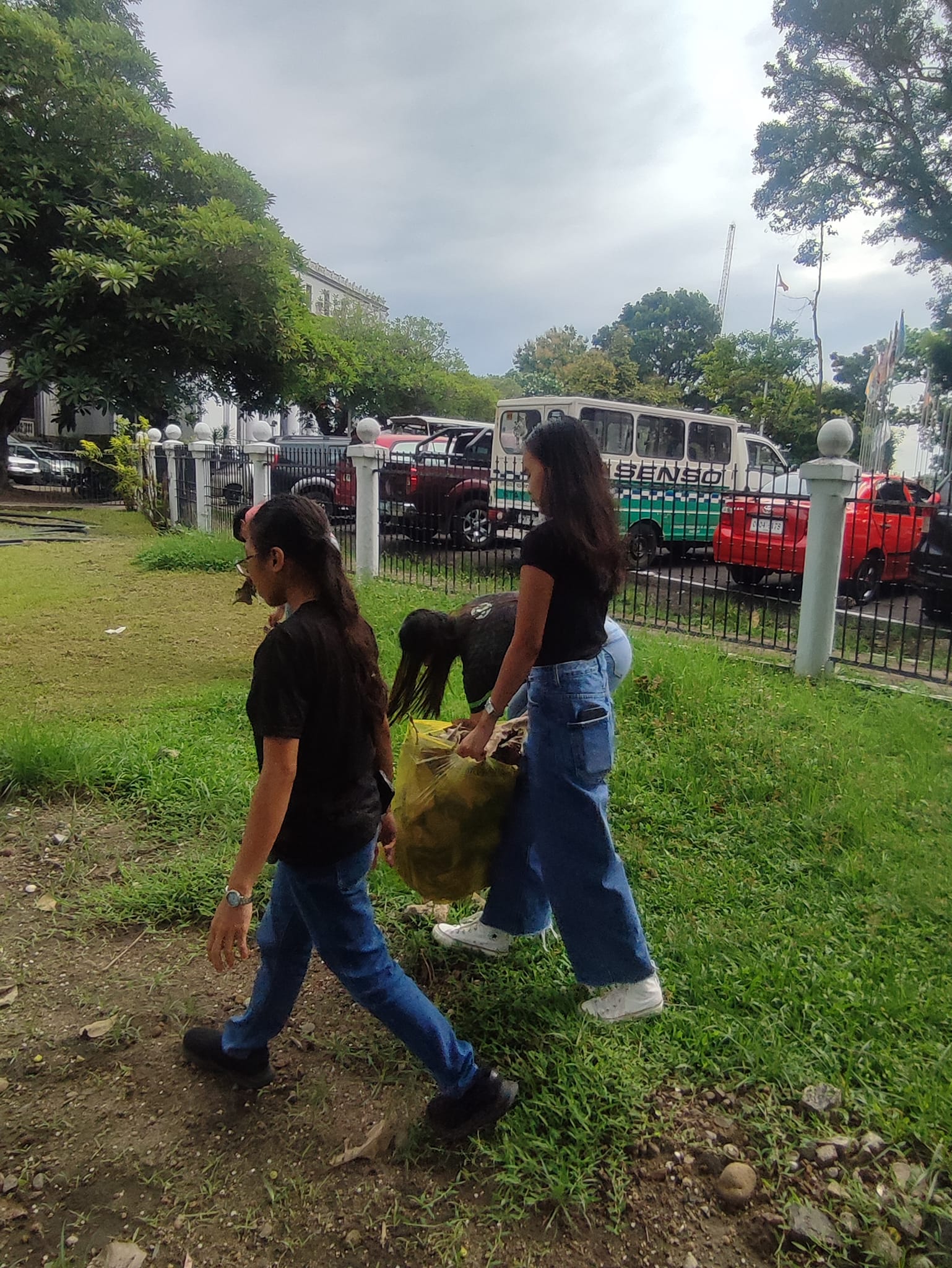
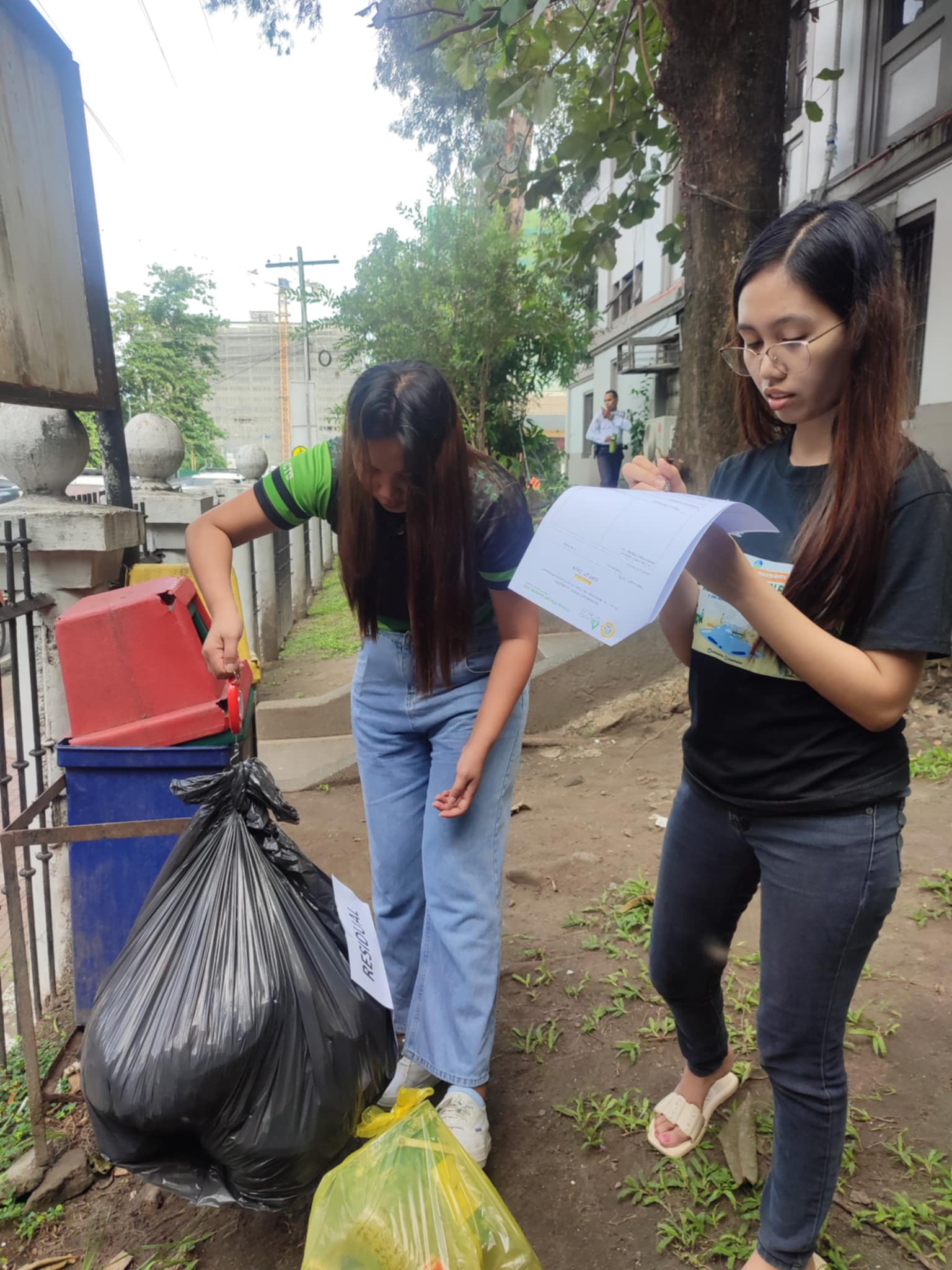
Latest 2026 ICTD Solid Waste Management activities appear first, followed by the existing gallery archive.